Paris is a city where history and modernity intertwine to create a tapestry of romance and culture. Couples drawn to Paris for their wedding often seek an experience that feels both timeless and progressive, aligning with the vision of Modern Elegance upheld by Roberto Panciatici Studio. In this long-form article, we explore what makes Paris wedding photography distinct: from understanding permits and navigating light, to designing an editorial timeline that honors the city’s rhythm. It matters because Paris offers unique complexities that only seasoned planners and photographers appreciate. This guide is for high-end couples, planners, and venues who value refined storytelling and want to reduce uncertainty in their planning journey.
Cultural Context of Paris Weddings
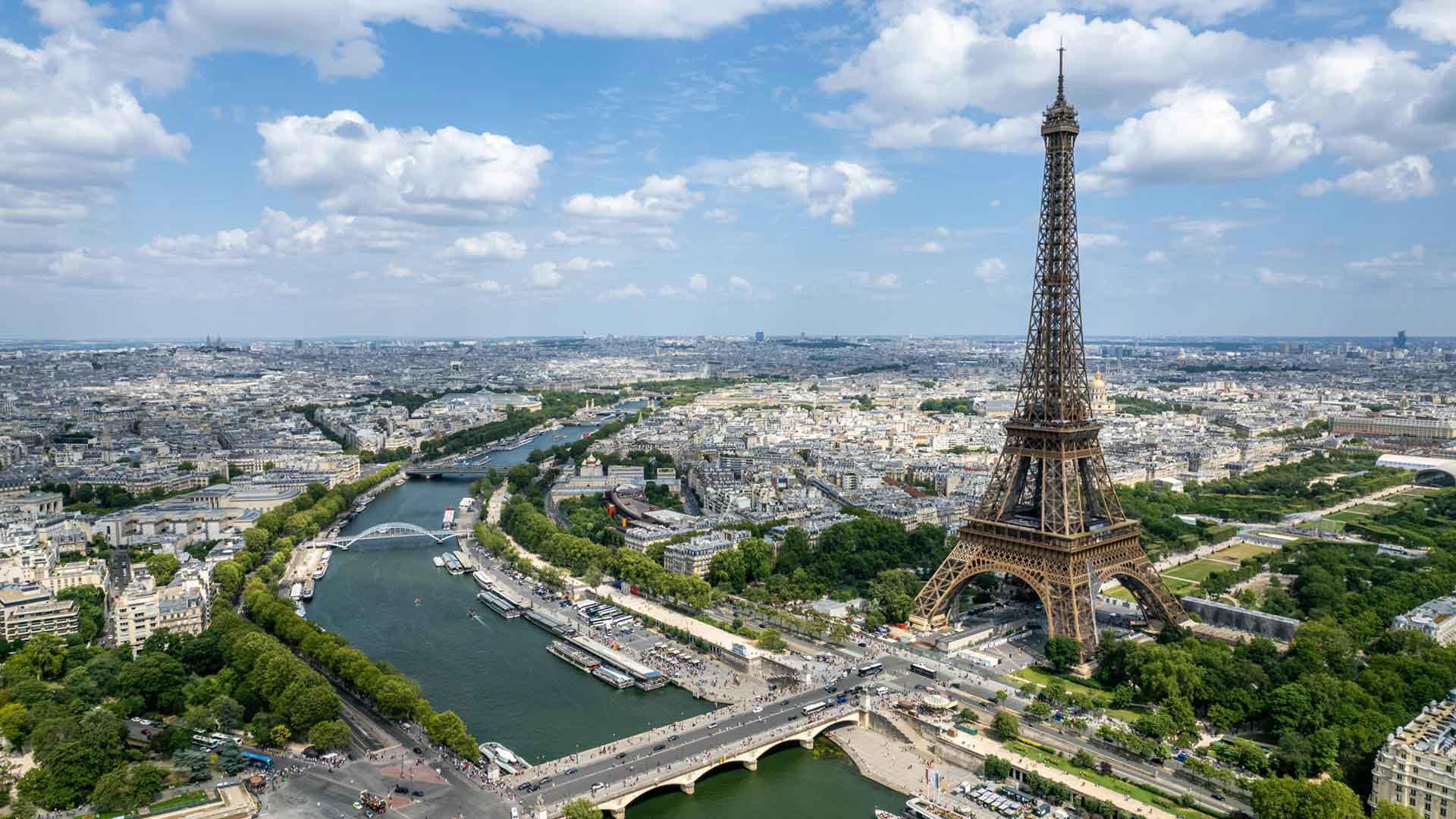
Paris is more than a backdrop; it’s a character in your love story. The city’s architecture spans centuries: gothic cathedrals, Haussmannian boulevards, Art Nouveau Metro entrances, and contemporary art galleries. Luxury brands and Michelin-starred restaurants shape daily life. Couples may choose to marry in historic churches like Sainte-Chapelle or ornate hotels like Le Meurice. Artistic neighborhoods such as Montmartre provide bohemian contrast to the grandeur of the Louvre. This diverse cultural landscape allows weddings to be tailored to the couple’s personalities, whether they are lovers of classic art, couture fashion, or avant-garde design. Embracing the city’s heritage ensures your wedding honors Parisian culture while reflecting modern sensibilities.
Parisian Traditions and Etiquette
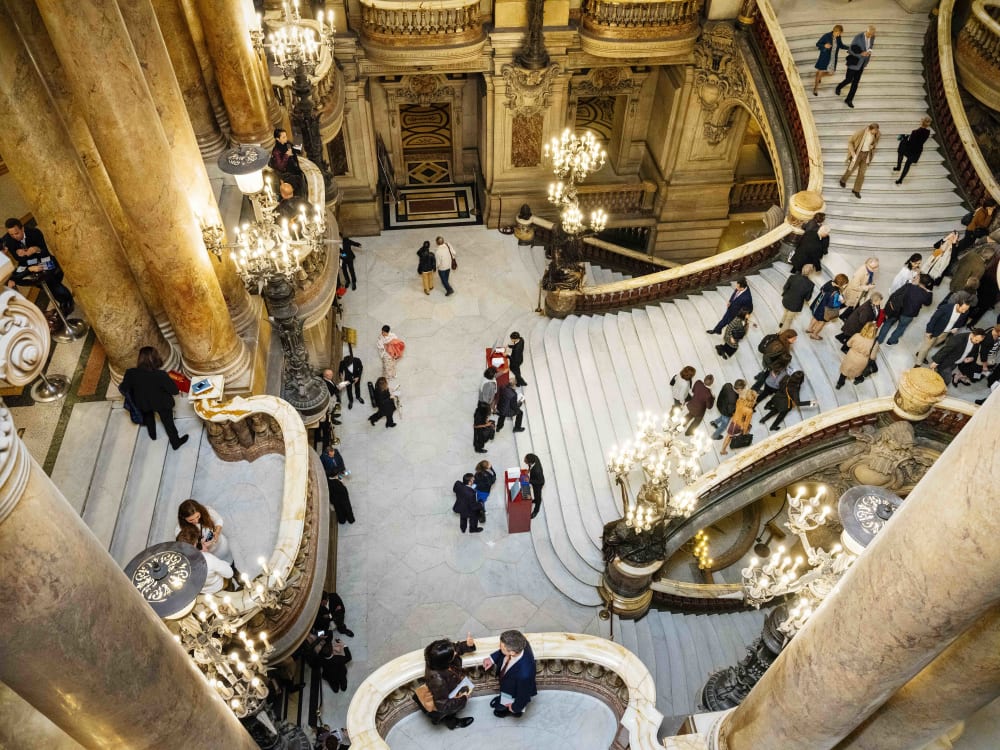
Wedding traditions in Paris have evolved. Historically, families held ceremonies in local churches, followed by receptions at nearby cafés. Today, couples incorporate international influences: outdoor ceremonies in hidden gardens, receptions on private yachts, and champagne towers on rooftop terraces. Etiquette often dictates a multi-course dinner, with foie gras, Champagne, and elaborate desserts like croquembouche. Working with local vendors ensures cultural authenticity. Planners must also respect French customs, such as sending formal invitations at least six months in advance. Incorporating cultural rituals, like sabrage (opening Champagne with a saber), adds a dramatic flourish that photographs beautifully.
Light Behavior and Seasonality
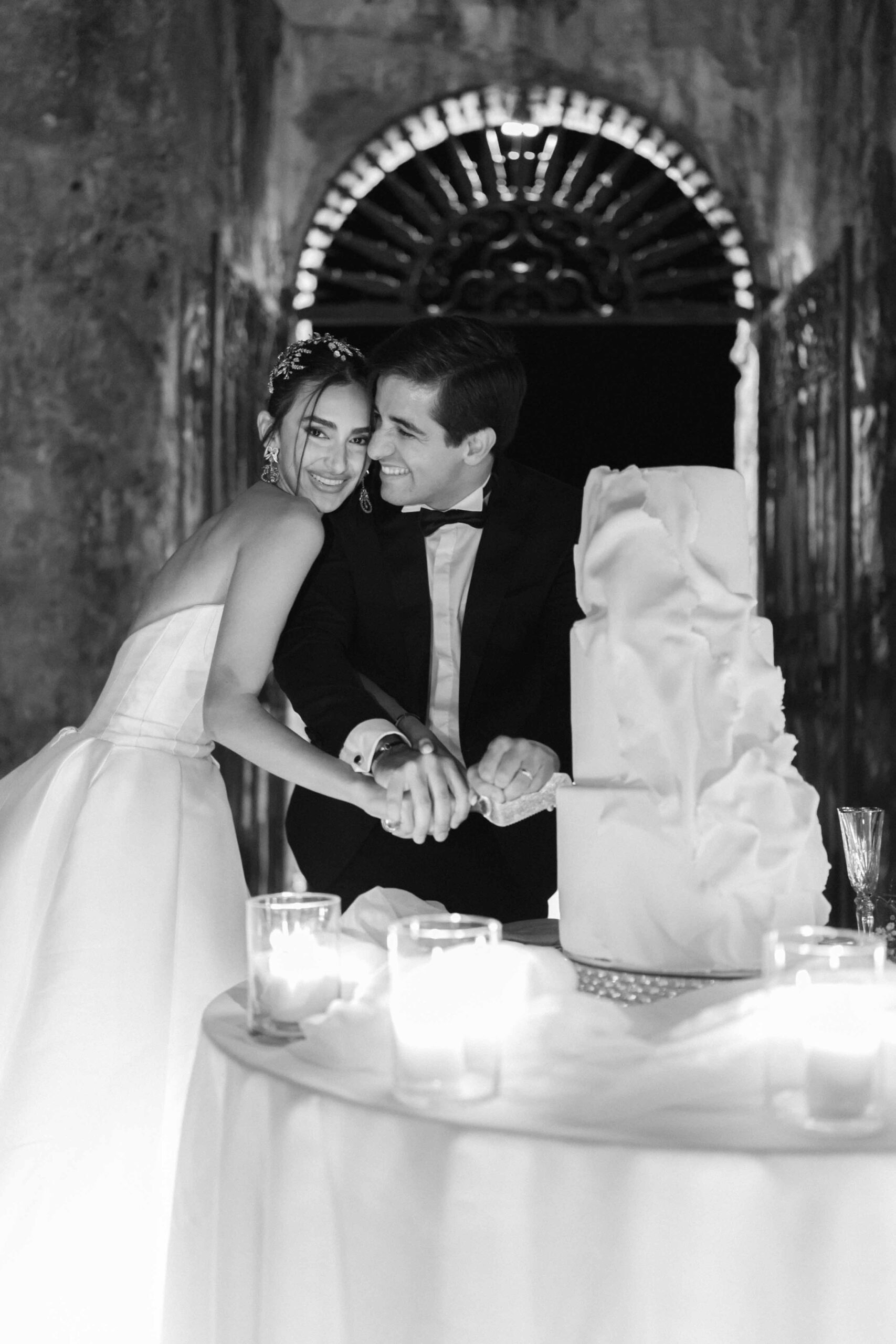
Light in Paris varies with the seasons and the architecture around you. Spring and early autumn bring gentle sunlight, perfect for soft portraits. Summer offers longer days, but harsh midday light creates strong shadows; midday sessions should take place in shady courtyards or inside galleries. Winter provides low, moody light that evokes a cinematic feel, especially near the Seine and in narrow streets. The light changes quickly, so planners must design timelines around golden hour, which occurs earlier in autumn and winter. A photographer experienced in Paris will know how to harness reflections from stone buildings and water surfaces, creating luminous portraits without artificial lighting.
Understanding Permits and Permissions
Professional photography in Paris often requires permits, particularly at iconic sites like the Eiffel Tower, Jardin des Tuileries, or the Louvre courtyard. These permits are designed to manage crowds and respect privacy. Planners should apply for permits several months in advance through municipal offices or through the venue itself. Some private venues (e.g., Musée Rodin, Palais Royal) require exclusive-use fees or restrictions on flash photography. It’s crucial to coordinate these permits with your planner and photographer to avoid fines or delays. Permits also affect timeline design: certain time slots are reserved for permitted sessions, so flexibility is important.
Logistics: Movement and Timing
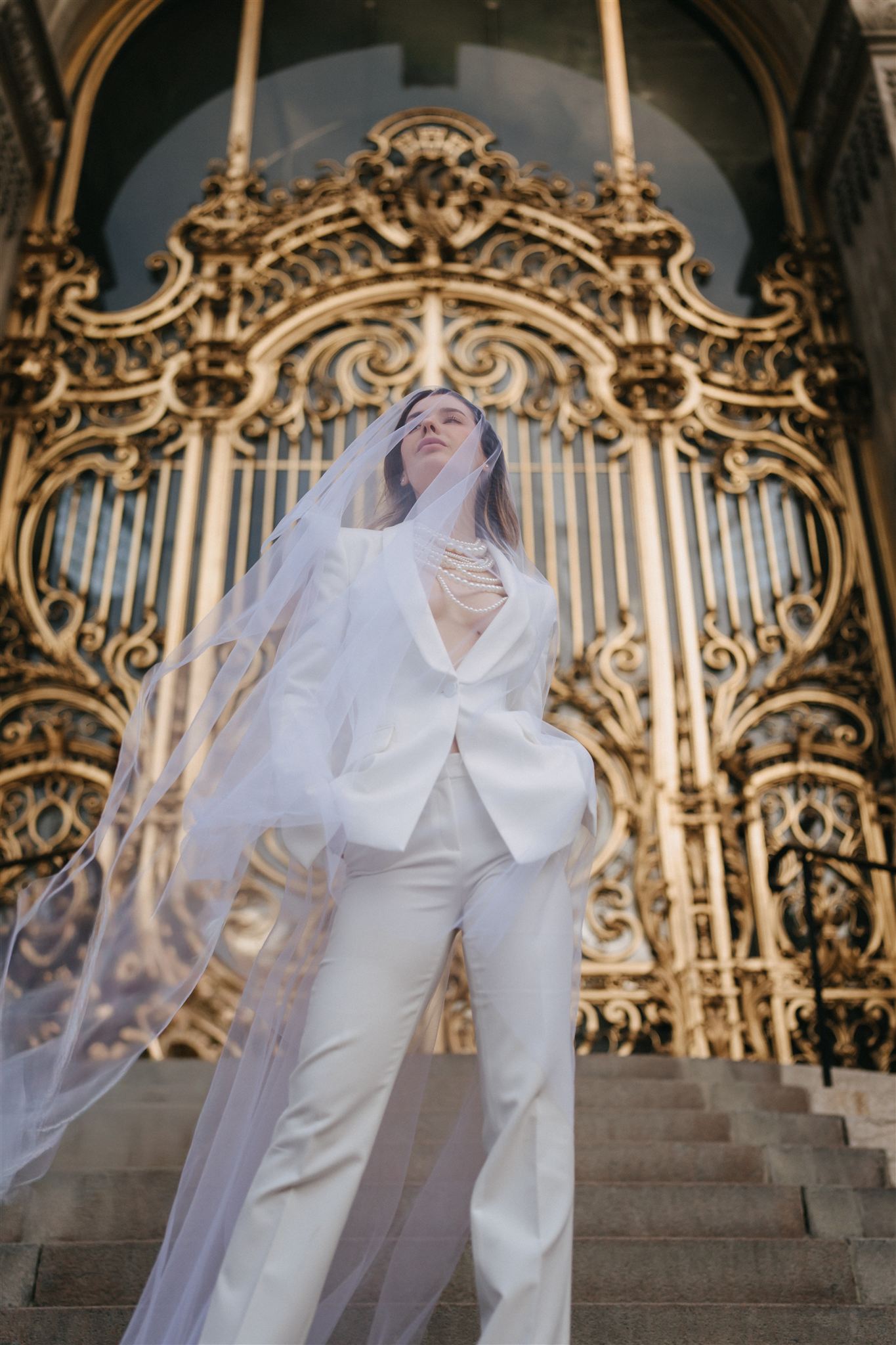
Navigating Parisian streets requires strategic planning. Public transport is efficient, but weddings often require private cars or vintage Citroëns. Traffic congestion, especially around tourist sites, can delay arrivals. Narrow streets in Le Marais or Montmartre necessitate walking or renting scooters for the bridal party. The Louvre, Notre-Dame, and the Eiffel Tower are best photographed early in the morning or late evening to avoid crowds. For multi-location shoots, allocate time for travel and parking, ensuring there is always a backup route. Planners should also account for city events such as marathons or parades, which may cause road closures.
Seasonal Considerations
Season dictates logistics as much as light. In spring, sudden showers are common; always carry umbrellas that photograph well. Summer heat can affect attire and makeup; plan indoor breaks and provide hydration. Autumn leaves blanket the city in gold, creating romantic backdrops in parks like Parc des Buttes-Chaumont. Winter requires warm accessories; faux-fur stoles or tailored coats add elegance to portraits. Always confirm opening hours for gardens and monuments, as some close during winter or have shorter hours off-season. Plan transportation that can handle rain or snow; photographers should bring weatherproof gear.
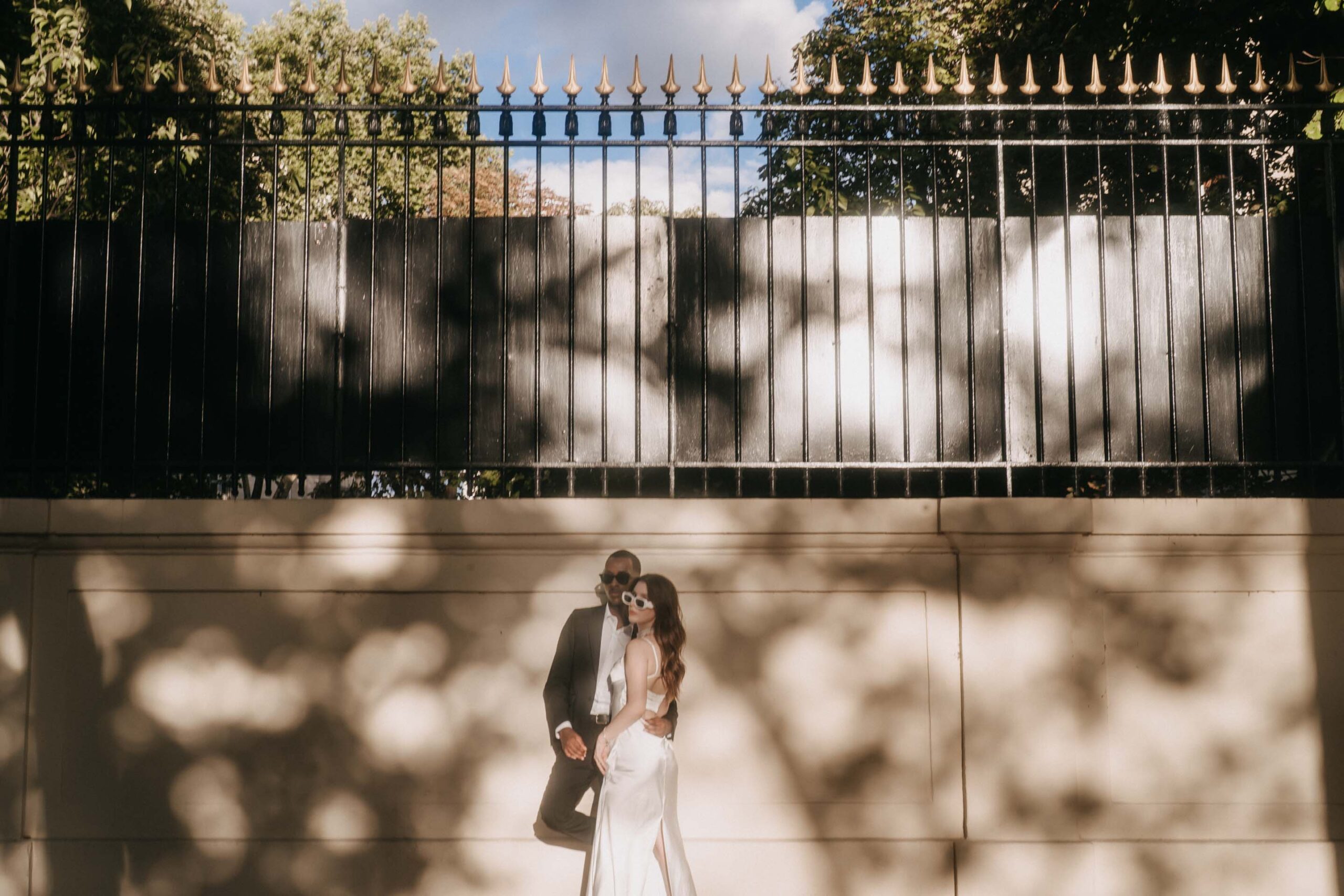
Venue Typologies and Spatial Considerations
Paris offers venues ranging from palatial hotels to industrial lofts. Traditional venues like Hôtel de Crillon showcase crystal chandeliers and Versailles-inspired ballrooms. Contemporary spaces like Le Couvent des Cordeliers combine medieval cloisters with modern architecture. Museums such as the Museé Jacquemart-André provide elegant galleries with priceless art. Rooftop terraces, like at Galeries Lafayette, offer panoramic city views. Each venue requires different lighting setups and space planning. Large ballrooms may need additional lighting to avoid dark corners, while intimate restaurants benefit from candlelight and reflective mirrors. Outdoor venues require noise permits and weather contingencies.
Working with Planners and Vendors
Planners are invaluable in Paris, as they coordinate vendors and manage timelines. They communicate with florists, rental companies, and caterers, ensuring cohesive décor. They also handle French paperwork, which can be complex for non-citizens. Collaborate closely with your planner to design a timeline that flows naturally. Coordinating vendors early prevents last-minute crises; for example, confirming when tables can be set or when flowers can be delivered. Photographers should be included in these conversations to plan lighting, angles, and equipment setup.
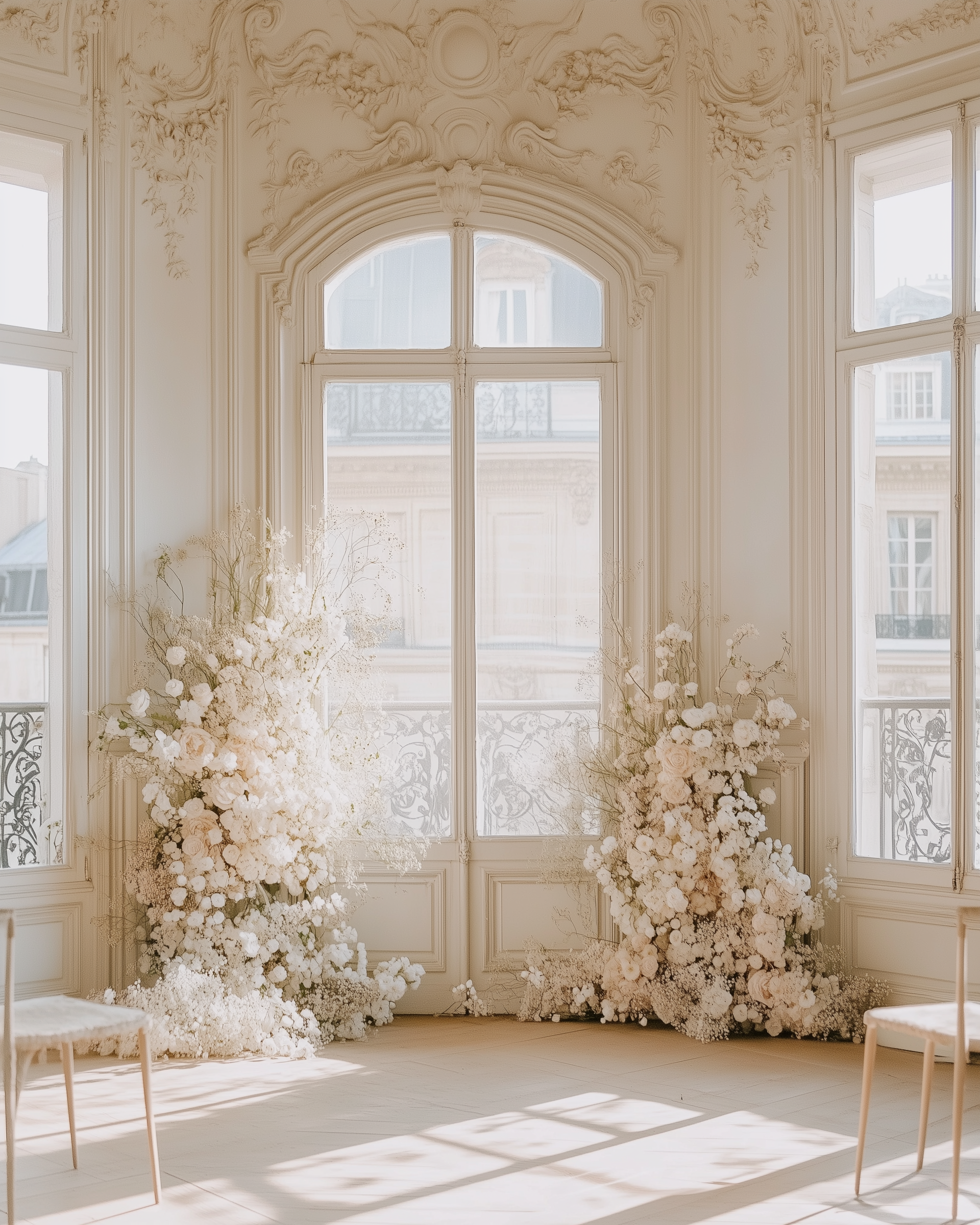
Planner-Level Insights: Designing the Editorial Timeline
A well-designed timeline sets the tone for an editorial wedding. Begin with morning preparations in a suite with natural light. Allocate two hours for hair and makeup, allowing for touch-ups. Schedule the first-look session before noon, capturing the excitement and relieving jitters. Move to a secluded park or garden for portraits while the light is soft. Plan the ceremony two hours before sunset, ensuring golden hour for your vows. Incorporate travel time between locations, and plan a 15-minute buffer before each major event. Celebrate with a dinner and dancing into the night; coordinate with the photographer to capture candid moments without interrupting the flow.
Guest Experience and Hospitality
High-end weddings in Paris place guest experience at the forefront. Provide concierge services to help guests navigate the city. Welcome boxes with artisanal treats and handwritten notes build excitement. Curate local experiences, such as a private boat cruise on the Seine or a wine tasting in a hidden cellar. During the wedding, serve courses at a measured pace, allowing guests to savor each dish. Entertainment can include live jazz bands or opera singers performing French classics. Planners should brief vendors to respect guests’ schedules, ensuring no one waits too long for transportation or dinner.
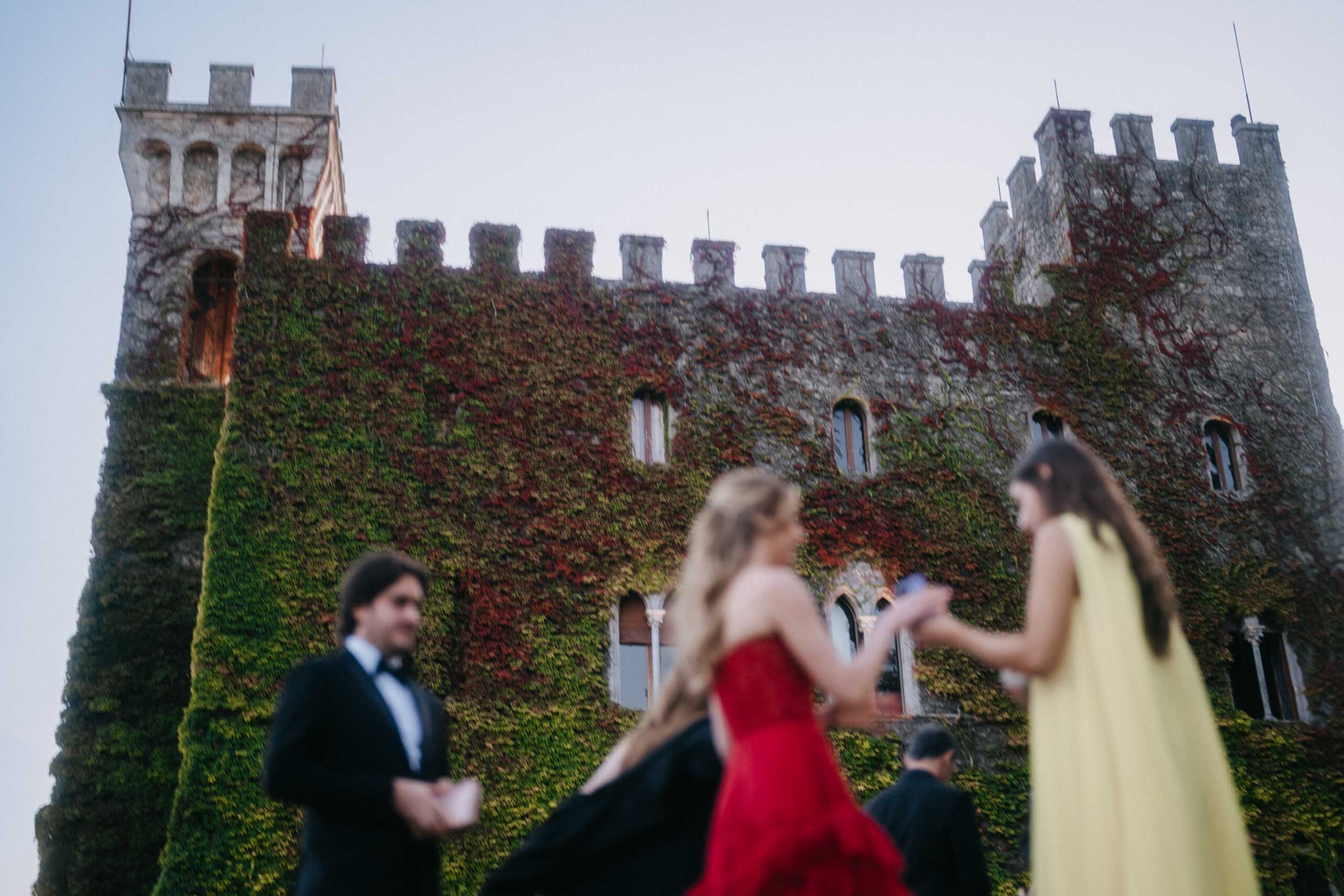
Unique Photographic Intelligence
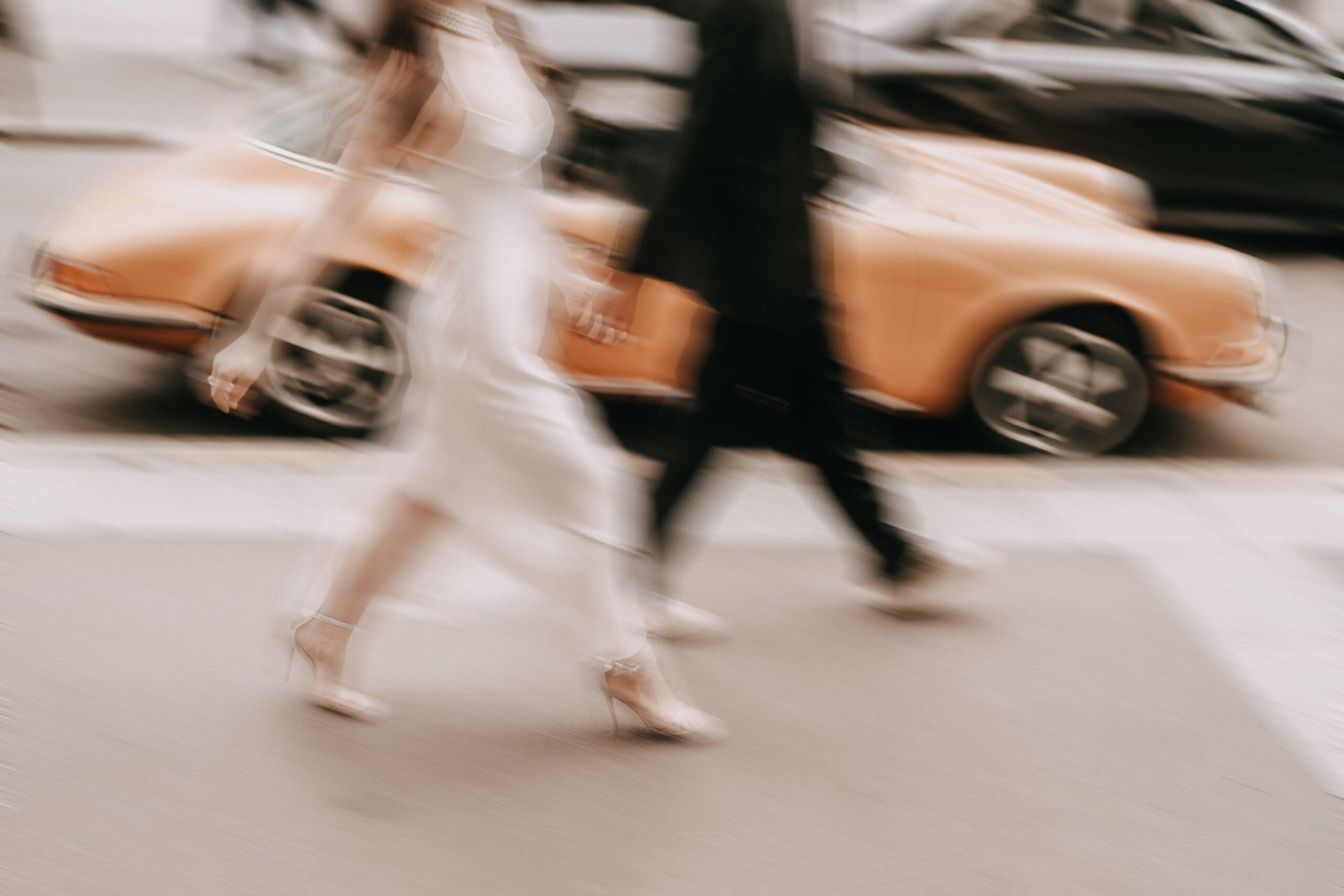
Capturing a Paris wedding requires more than technical skill; it demands cultural sensitivity and creative vision. Photographers should anticipate emotional moments and anticipate movement patterns. Street photography techniques can capture the spontaneity of Parisian life: a vendor arranging flowers, artists painting on the Seine, or couples dancing by the canal. Photographs should incorporate architectural lines to frame subjects elegantly. Incorporate reflections from puddles or windows, creating ethereal compositions. Use shadows cast by columns or statues to add depth. When working at night, leverage streetlights, neon signs, and candlelit windows to create a cinematic atmosphere.
Direct Answers to Key Questions
- Do we need permits? Yes. Most public landmarks require photography permits. Always ask your planner to handle applications early.
- When is the best time for photos? Golden hour (the hour after sunrise and before sunset) offers the most flattering light. Winter’s mid-afternoon provides a softer tone.
- How do we handle bad weather? Have indoor backup locations like galleries or private salons. Invest in stylish umbrellas. Photographers should carry weatherproof equipment.
FAQs
- How far in advance should we book venues in Paris? Luxury venues are in high demand; book 12–18 months ahead to secure your preferred date and location. This allows time for permits and vendor coordination.
- Do we need a translator? If you are not fluent in French, hire a bilingual planner who can interpret contracts and facilitate communication with vendors and officials. This ensures nothing is lost in translation.
- Is Paris suitable for multi-day events? Absolutely. Many couples host welcome dinners, rehearsal events, and post-wedding brunches. Planning multiple events allows guests to experience different parts of the city, from chic bistros to river cruises.
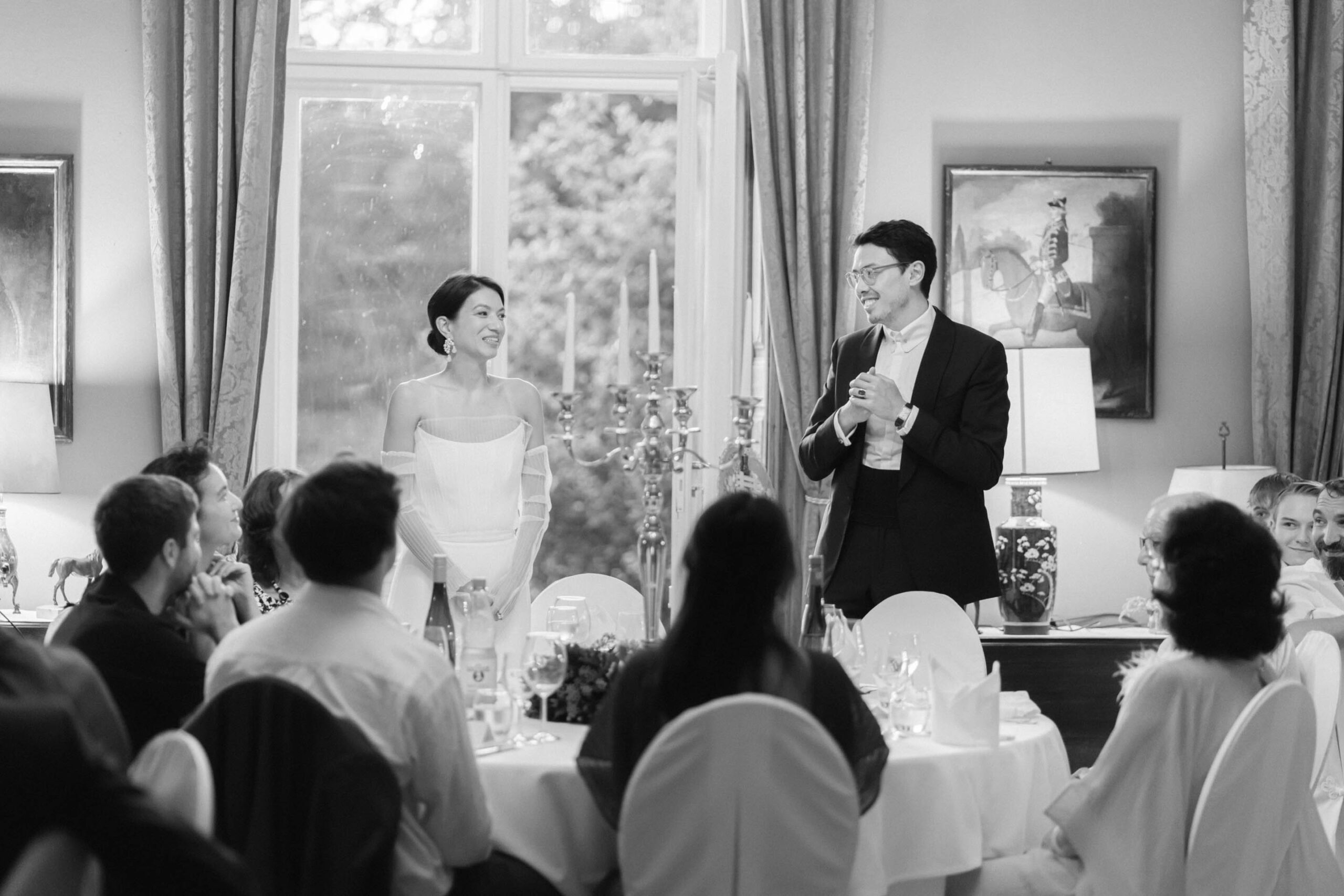
Considering Paris for your wedding or editorial photography?
Paris wedding photography captures more than scenery; it preserves the essence of love in a city renowned for art, fashion, and history. By understanding the complexities of permits, timing, and local customs, couples and planners can create a seamless experience. Roberto Panciatici Studio combines cinematic storytelling with technical mastery, ensuring that every moment reflects modern elegance. If you dream of a Parisian wedding that honors tradition while embracing contemporary artistry, contact us to begin designing your bespoke celebration.

