Lake Como’s serene waters and aristocratic villas exude a sense of opulence and tranquility that make it one of the most coveted wedding destinations in the world. This comprehensive guide explores the nuances of Lake Como wedding photography, addressing boat logistics, iconic villas, weather patterns, and editorial timing. It matters because couples and planners must navigate logistical complexities and aesthetic choices to achieve a celebration that embodies Modern Elegance. This article is for luxury couples, planners, venues, and hospitality professionals seeking to elevate their Lake Como weddings.
Cultural Context of Lake Como Weddings
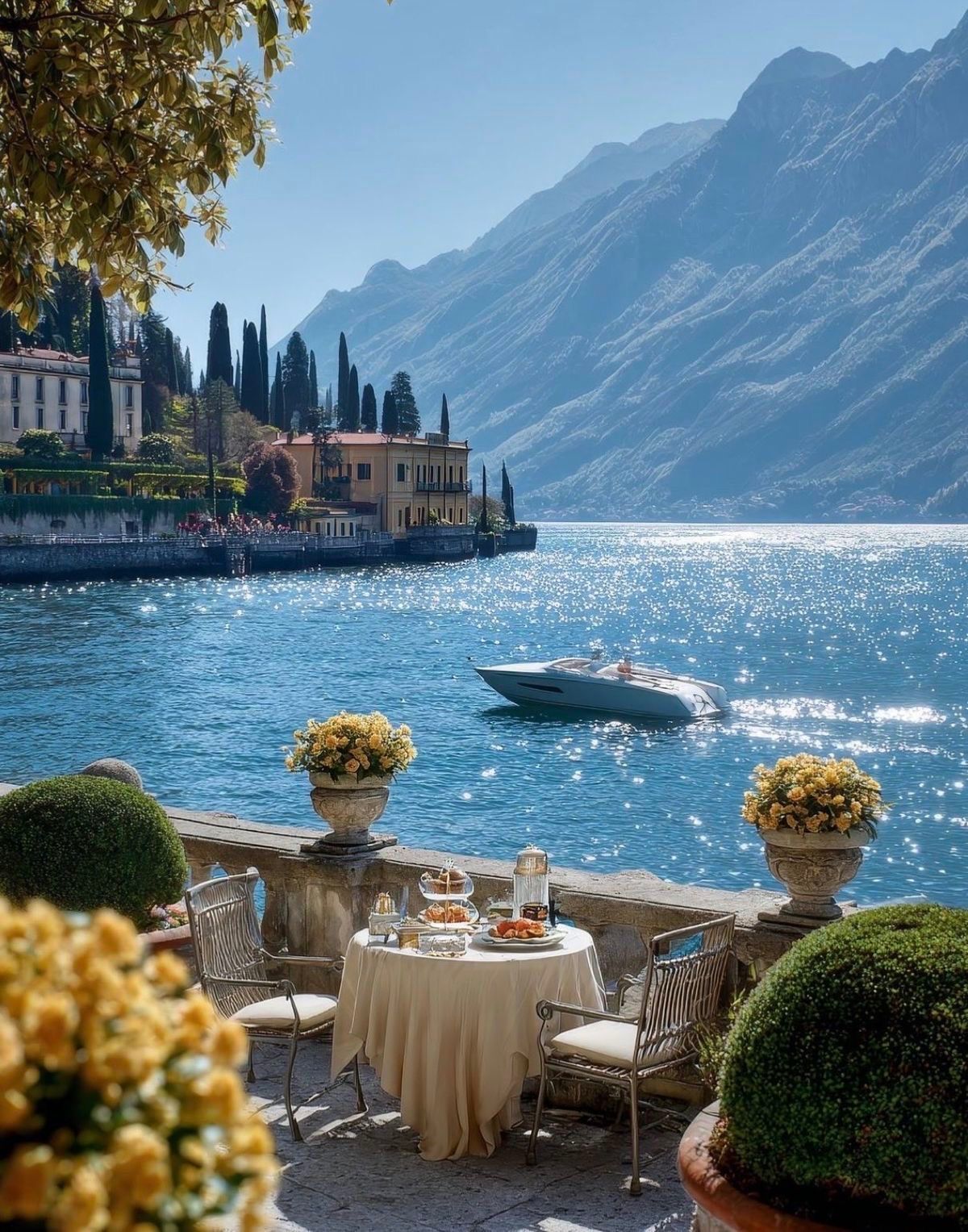
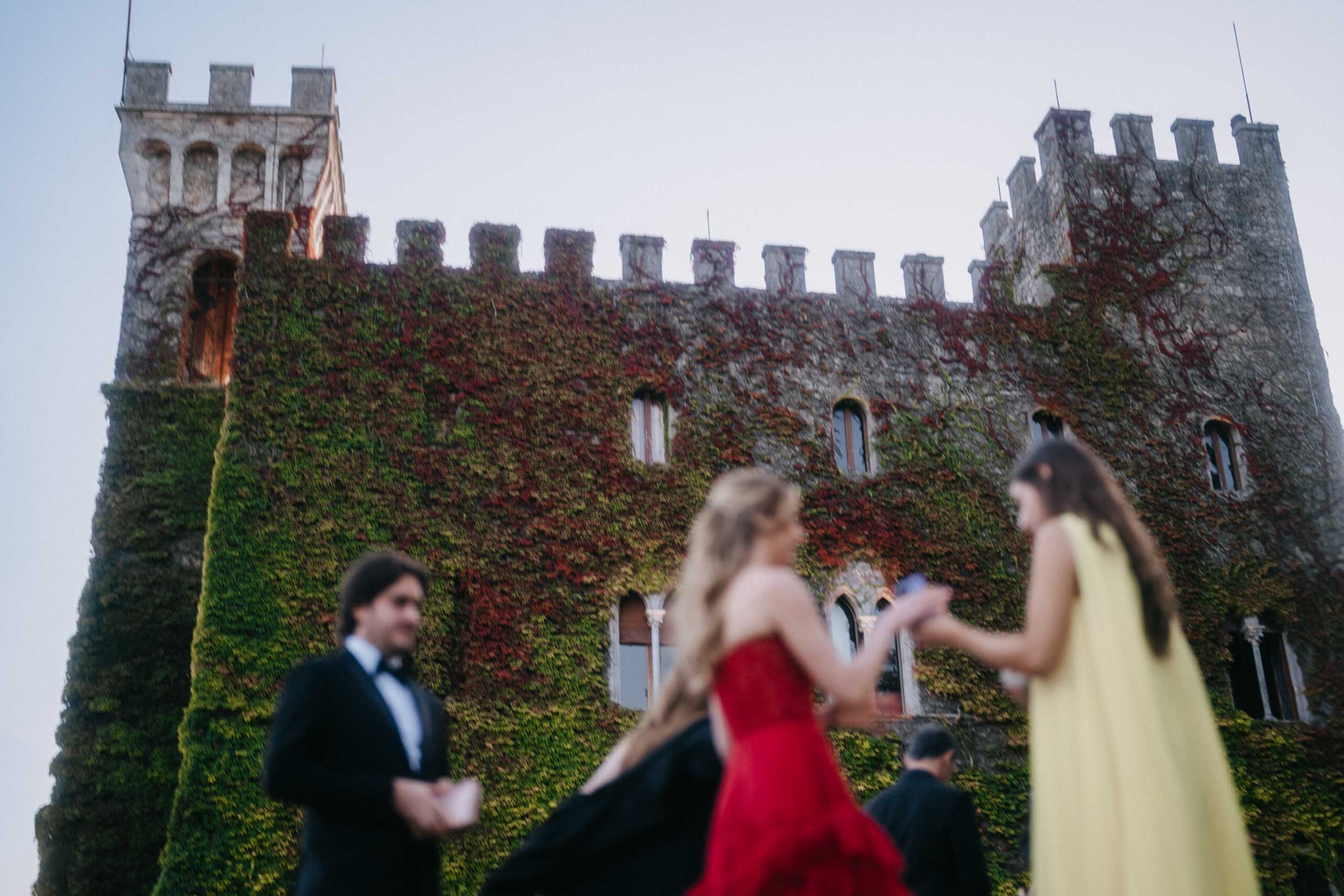
The Lake Como region has a long history as a retreat for nobility, artists, and celebrities. Historic villas line the lake’s shores, including Villa Balbianello, Villa Carlotta, and Villa Erba. Many villas were once private residences and now serve as event spaces with ornate frescoes, botanical gardens, and views of the lake. Italian hospitality traditions influence weddings here: multi-course meals, aperitivo hours, and late-night dancing. Couples often incorporate classic Italian elements like pasta courses and gelato carts. Understanding local customs enhances the authenticity of your celebration. Working with local vendors ensures that your wedding reflects the region’s heritage while embracing modern aesthetics.
The Lake’s Unique Geography and Architecture
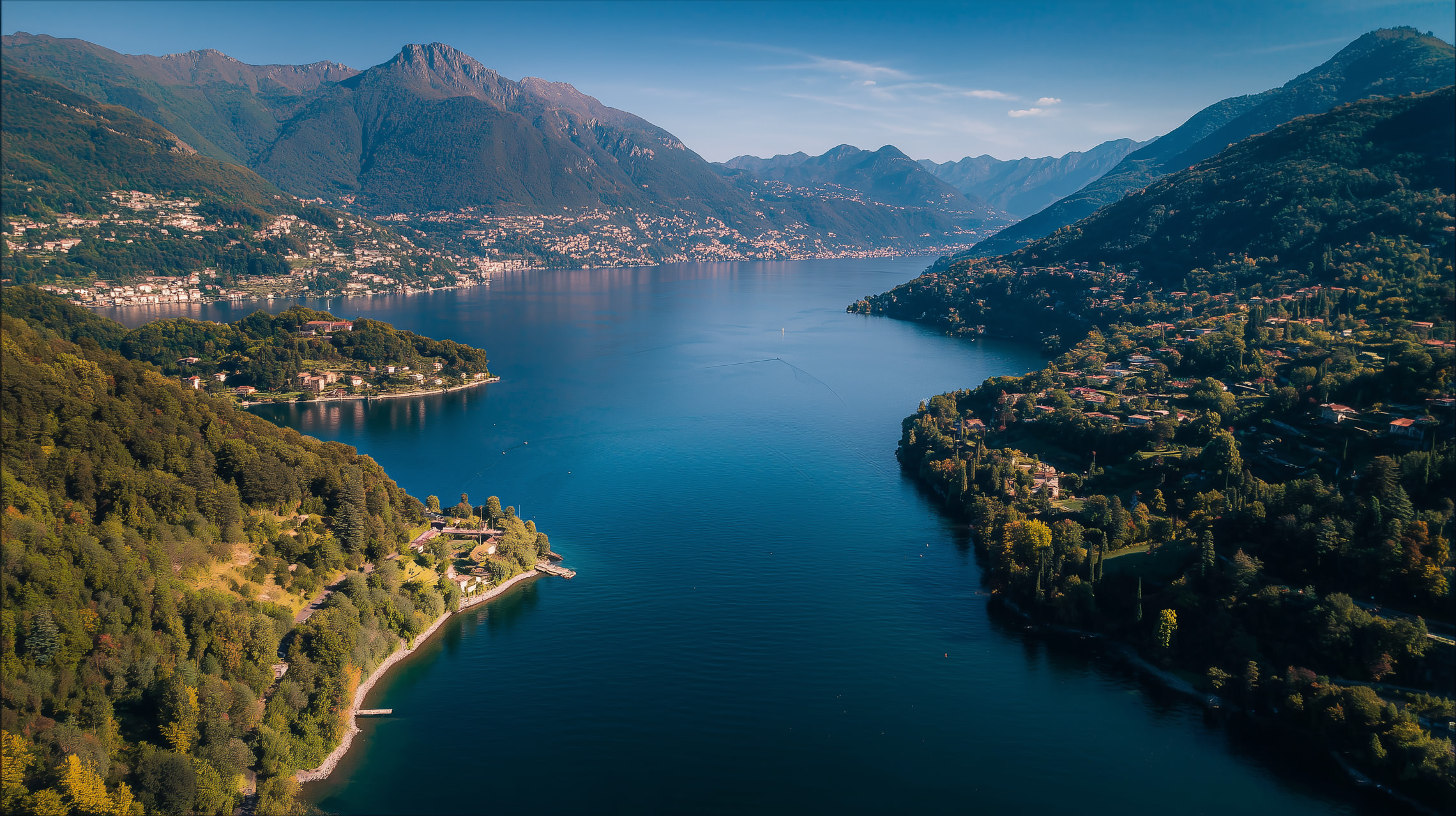
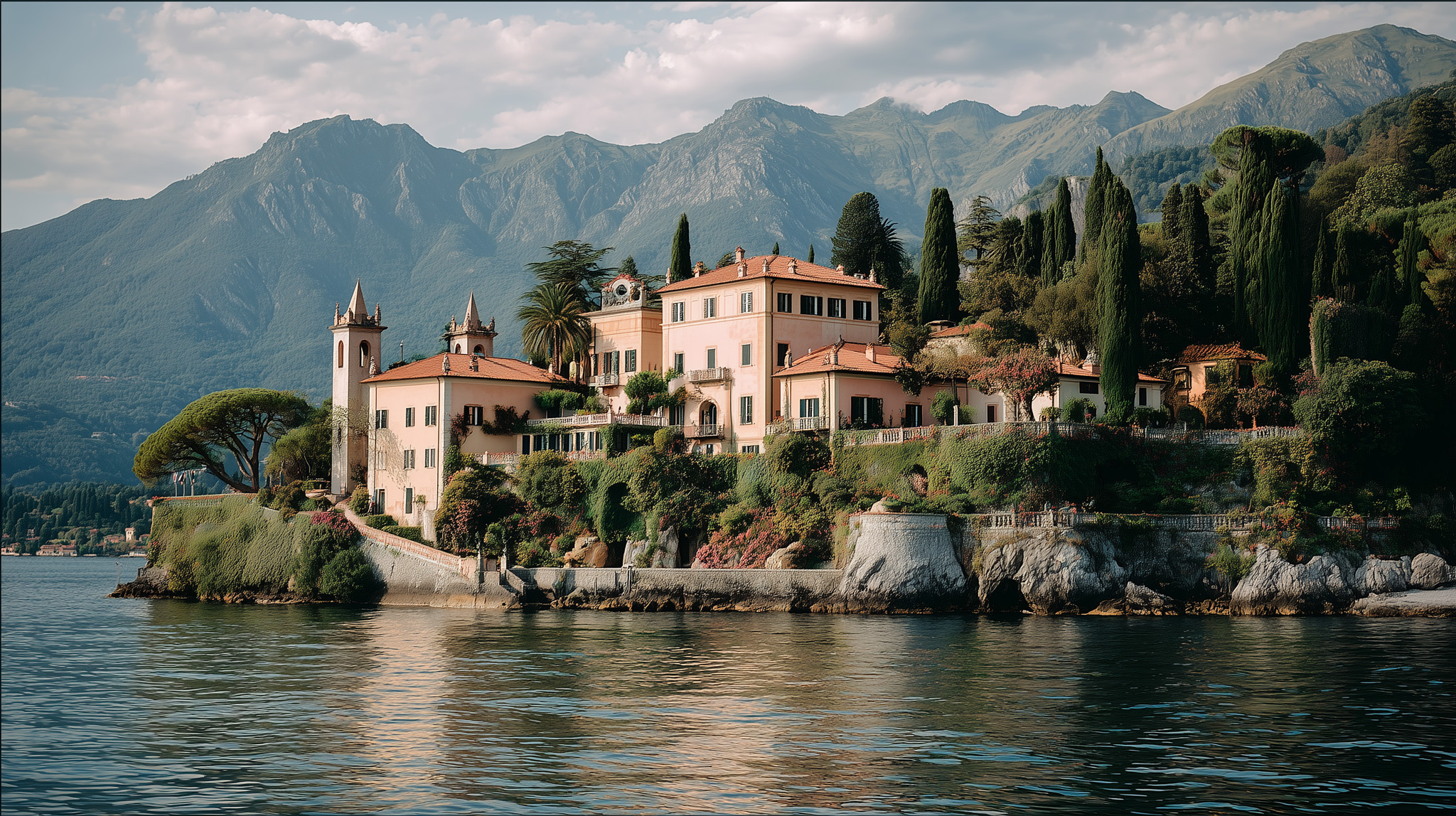
Lake Como is shaped like an inverted Y, with three branches: Colico to the north, Lecco to the east, and Como to the southwest. The lake is surrounded by Alps and charming villages. Each area offers different vibes: Bellagio is elegant with luxurious hotels; Varenna exudes romantic charm; Tremezzo offers grandeur. Villas vary in architecture: Neoclassical villas like Villa Olmo, Baroque villas like Villa del Balbianello, and modern villas with contemporary lines. The architecture influences photography. A photographer must adapt to columns, arches, terraces, and Italianate gardens. Understanding the layout helps choose locations for portraits and group shots.
Boats, Transportation, and Logistics
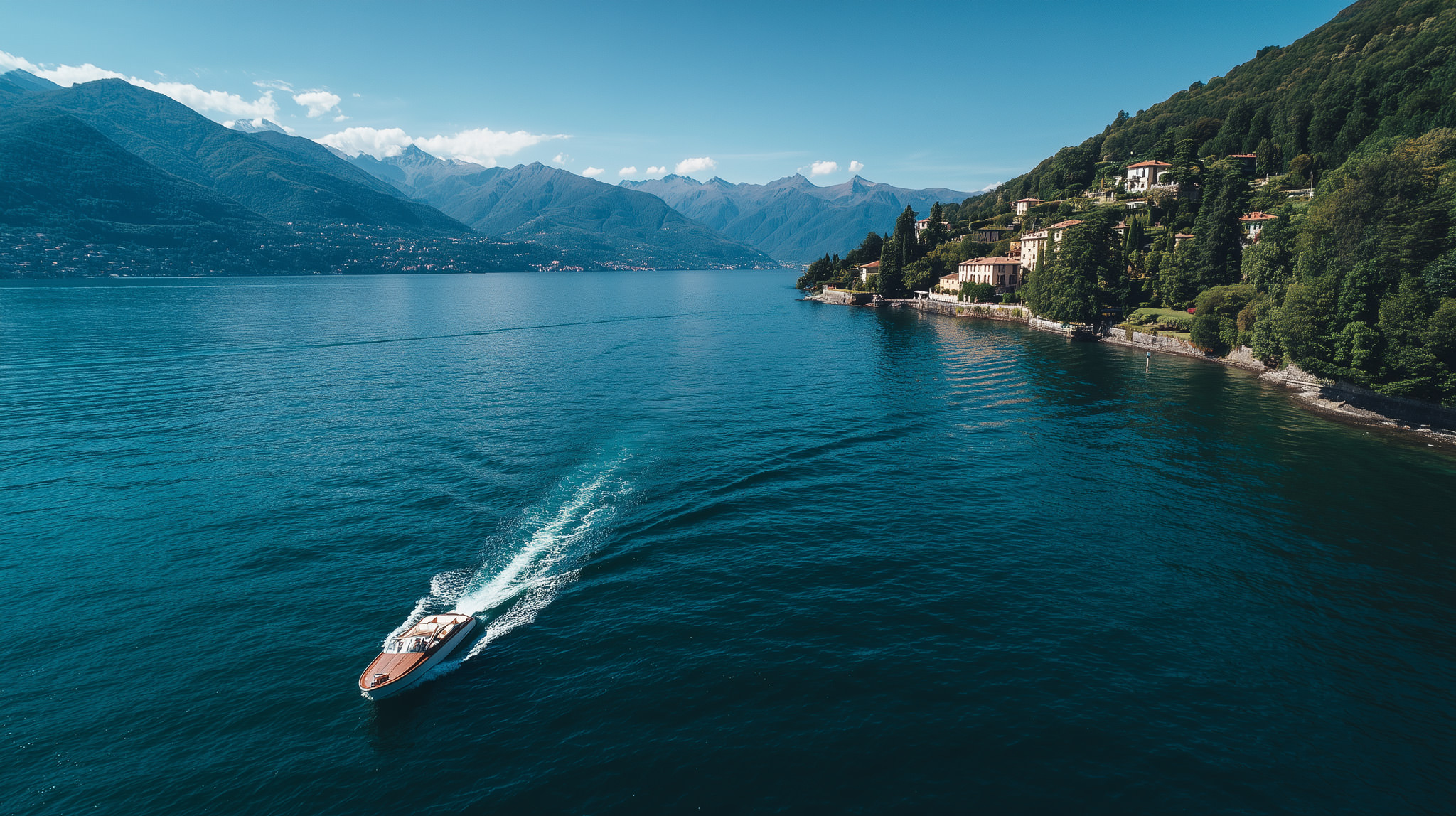
Boats are integral to Lake Como weddings, serving both functional and experiential purposes. Couples can arrive at their ceremony by vintage Riva speedboat or host a cocktail hour on a wooden sailboat. Logistics are complex: ensure docking permits and schedule boat routes. Boats can be delayed by weather or lake traffic; build buffer time into your timeline. Choose boats that accommodate your guest count and have cover in case of rain. Private water taxis transport guests between villas for multi-venue celebrations. On land, narrow roads require shuttle vans or golf carts. Work with local drivers to navigate the winding roads and ensure timely arrivals.
Weather and Seasonality
Lake Como experiences distinct seasons. Spring and autumn are ideal for weddings, offering mild temperatures and lush foliage. Summer is warm and can be crowded with tourists; schedule portraits early or late. Winter is peaceful but cold, with fewer venues open. The lake itself moderates the climate but can create microclimates: morning fog in some areas, wind gusts near open water. Always check weather forecasts and have a backup indoor location. Coordinate with your photographer to plan session times that maximize natural light and avoid midday glare. When planning multi-day events, incorporate a boat ride at sunset for magical reflections.
Venue Typologies and Space Planning
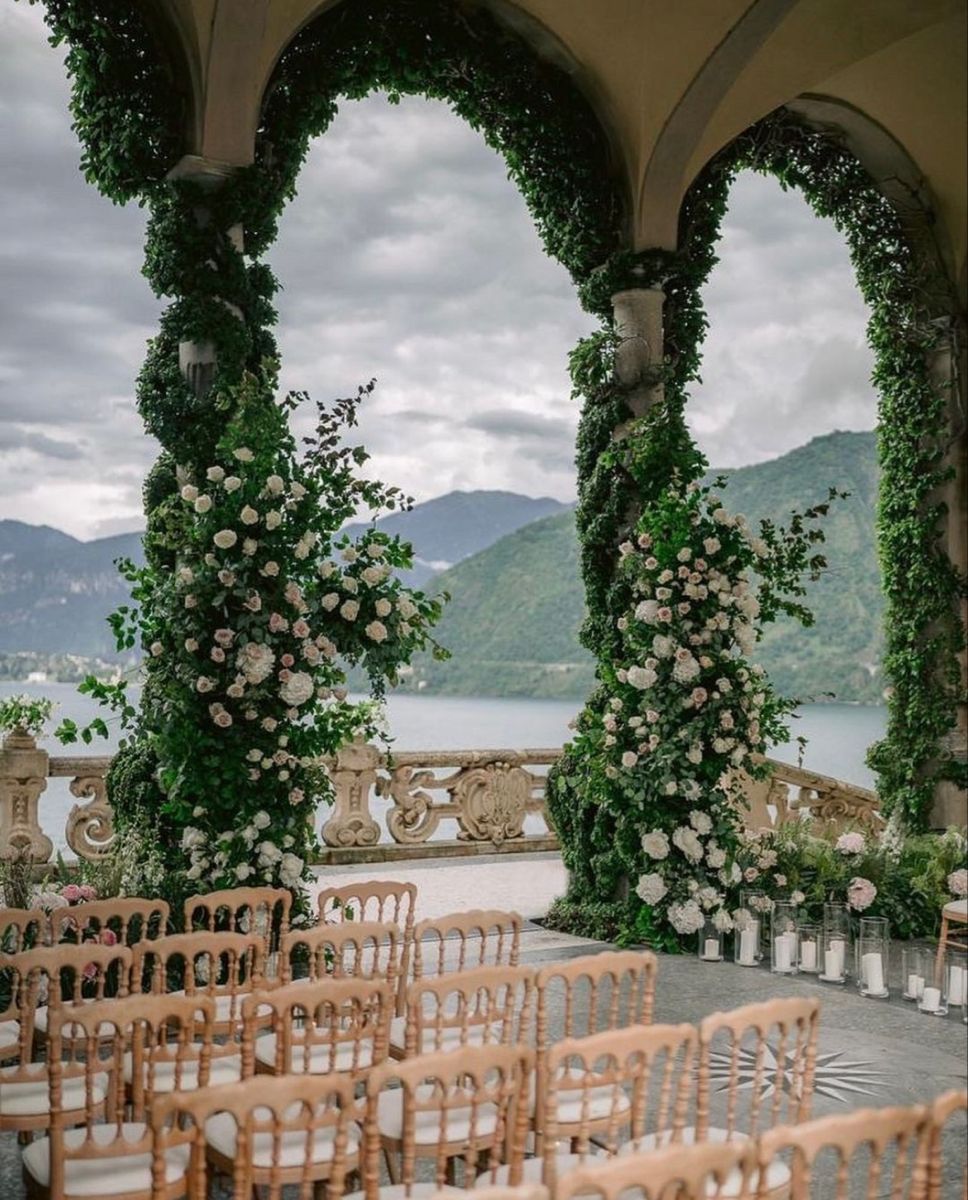
Lake Como’s venues range from grand villas to boutique hotels and historic abbeys. Villa del Balbianello is perched on a promontory with terraced gardens and loggias, ideal for intimate ceremonies. Villa Carlotta offers expansive gardens, a museum, and panoramic terraces. Grand Hotel Tremezzo boasts Art Nouveau architecture and floating pool platforms. Each venue requires different planning: consider space for tables, dance floors, and stages. Outdoor ceremonies require sound systems to overcome gentle breezes and distant boat noise. Indoor receptions in ornate salons may need soft lighting to highlight frescoes. Work with planners and designers to align décor with each villa’s character.
Planner-Level Insights: Editorial Timing and Flow
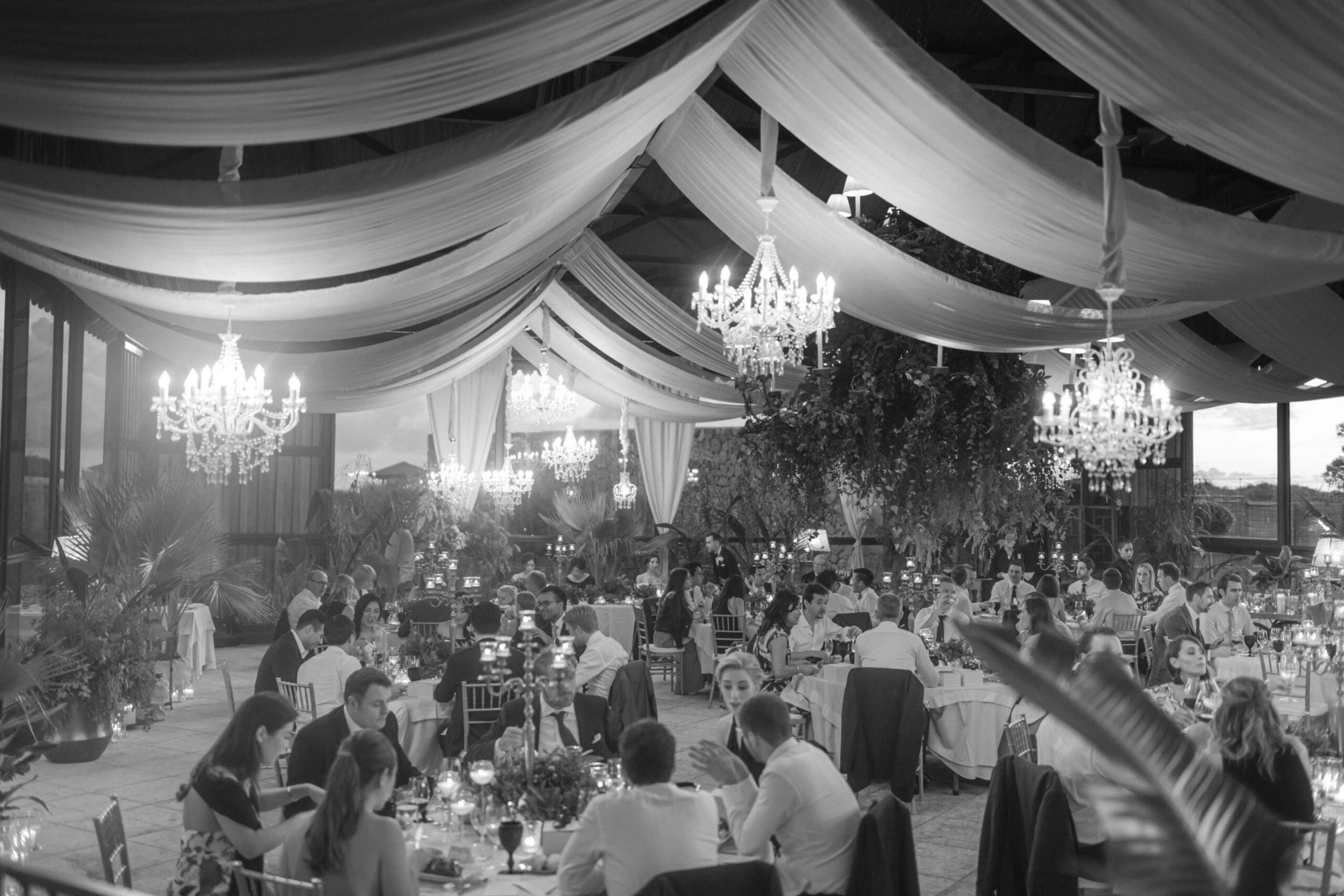
Creating an editorial timeline means balancing the lake’s natural rhythms with the needs of your celebration. Start with a leisurely breakfast at your villa, enjoying views of the lake. Schedule hair and makeup in a suite with natural light and lake views. Plan the first-look session mid-morning, capturing reflections on the water. Hold your ceremony in late afternoon, when the sun casts golden light across the mountains. After exchanging vows, take a boat ride for portraits during sunset. Host the reception under a clear tent or in a villa’s ballroom, transitioning from twilight to evening. End the night with fireworks or a lantern release over the lake.
Unique Photographic Intelligence
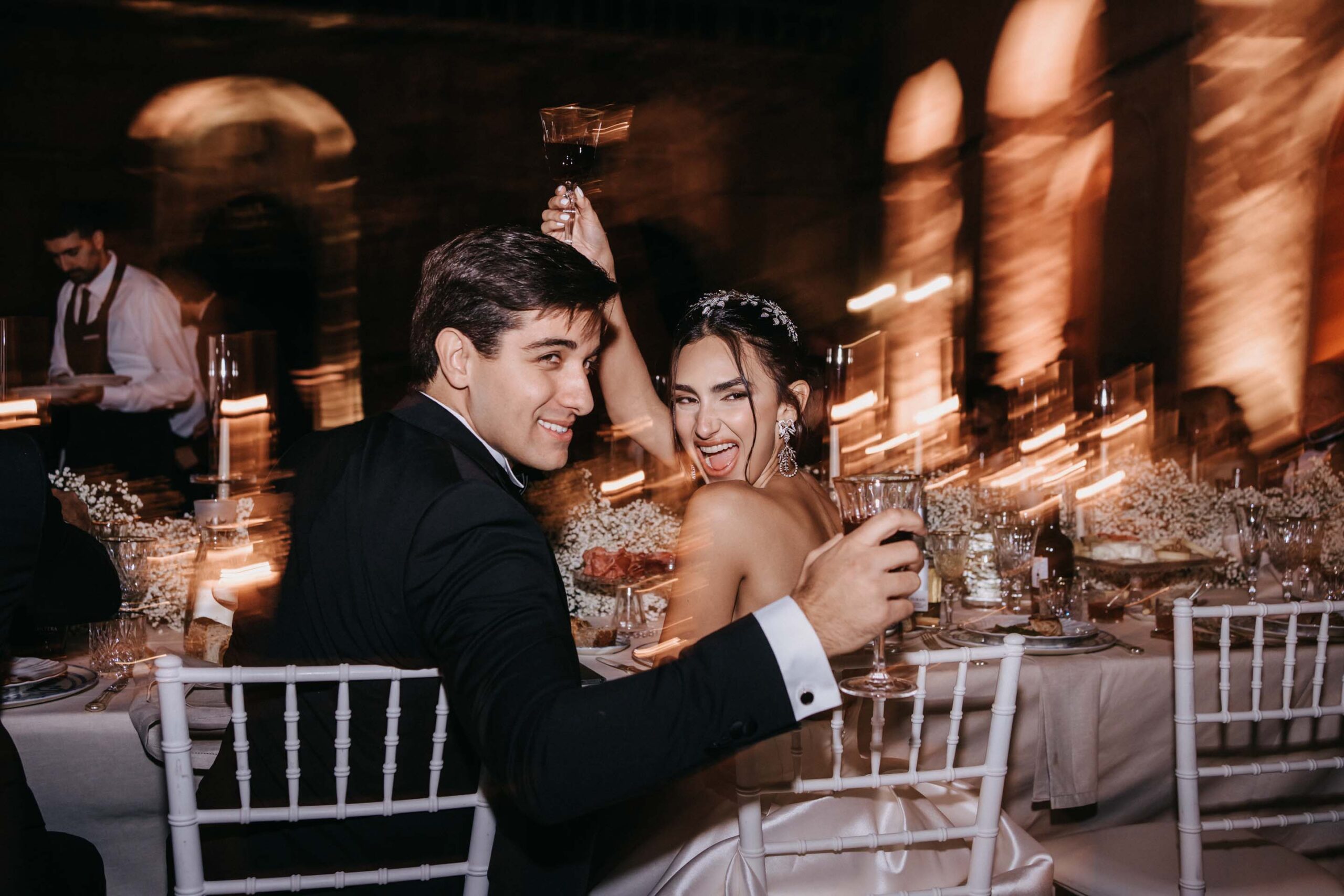
Photography at Lake Como requires versatility. Wide shots capture the lake and mountains, while close-ups highlight emotions and luxurious details. Use reflections from the water to create ethereal images. Photographers should bring polarizing filters to reduce glare on the lake and ensure rich colors. Interiors may require off-camera lighting to balance natural and artificial light. Drones can capture aerial views of villas and the lake, but permits are necessary. Incorporate local elements like cobblestone streets, Italian cypress trees, and boat jetties. Night photography requires skillful use of ambient light from lamps, candles, and chandeliers. Collaborate with videographers to ensure cohesive storytelling.
Direct Answers to Key Questions
- Do we need boat permits? Yes. Boats require docking permits and must adhere to speed regulations. Work with a local planner or boat company.
- What venues accommodate large weddings? Villa Erba and Villa d’Este can host large guest counts. Others like Villa Balbianello are suited for intimate gatherings.
- When is the best season for Lake Como weddings? Spring and autumn provide mild weather and fewer crowds. Summer is beautiful but busy.
FAQs (Paragraph Format)
Is Lake Como suitable for multi-day weddings? Absolutely. Many couples host welcome parties, rehearsal dinners, and farewell brunches across different villas. This allows guests to experience various parts of the lake and its culinary offerings.
Are drones allowed? Drones require special permits and must comply with Italian regulations. Work with a licensed operator and inform your venue.
Can we incorporate Italian cuisine authentically? Yes. Collaborate with local caterers to design menus featuring regional specialties like risotto al pesce persico, polenta, and tiramisu. Consider wine pairings from nearby Lombard vineyards.
- Do we need boat permits? Yes. Boats require docking permits and must adhere to speed regulations. Work with a local planner or boat company.
- What venues accommodate large weddings? Villa Erba and Villa d’Este can host large guest counts. Others like Villa Balbianello are suited for intimate gatherings.
- When is the best season for Lake Como weddings? Spring and autumn provide mild weather and fewer crowds. Summer is beautiful but busy.
FAQs (Paragraph Format)
Is Lake Como suitable for multi-day weddings? Absolutely. Many couples host welcome parties, rehearsal dinners, and farewell brunches across different villas. This allows guests to experience various parts of the lake and its culinary offerings.
Are drones allowed? Drones require special permits and must comply with Italian regulations. Work with a licensed operator and inform your venue.
Can we incorporate Italian cuisine authentically? Yes. Collaborate with local caterers to design menus featuring regional specialties like risotto al pesce persico, polenta, and tiramisu. Consider wine pairings from nearby Lombard vineyards.
- Do we need boat permits? Yes. Boats require docking permits and must adhere to speed regulations. Work with a local planner or boat company.
- What venues accommodate large weddings? Villa Erba and Villa d’Este can host large guest counts. Others like Villa Balbianello are suited for intimate gatherings.
- When is the best season for Lake Como weddings? Spring and autumn provide mild weather and fewer crowds. Summer is beautiful but busy.
FAQs (Paragraph Format)
Is Lake Como suitable for multi-day weddings? Absolutely. Many couples host welcome parties, rehearsal dinners, and farewell brunches across different villas. This allows guests to experience various parts of the lake and its culinary offerings.
Are drones allowed? Drones require special permits and must comply with Italian regulations. Work with a licensed operator and inform your venue.
Can we incorporate Italian cuisine authentically? Yes. Collaborate with local caterers to design menus featuring regional specialties like risotto al pesce persico, polenta, and tiramisu. Consider wine pairings from nearby Lombard vineyards.
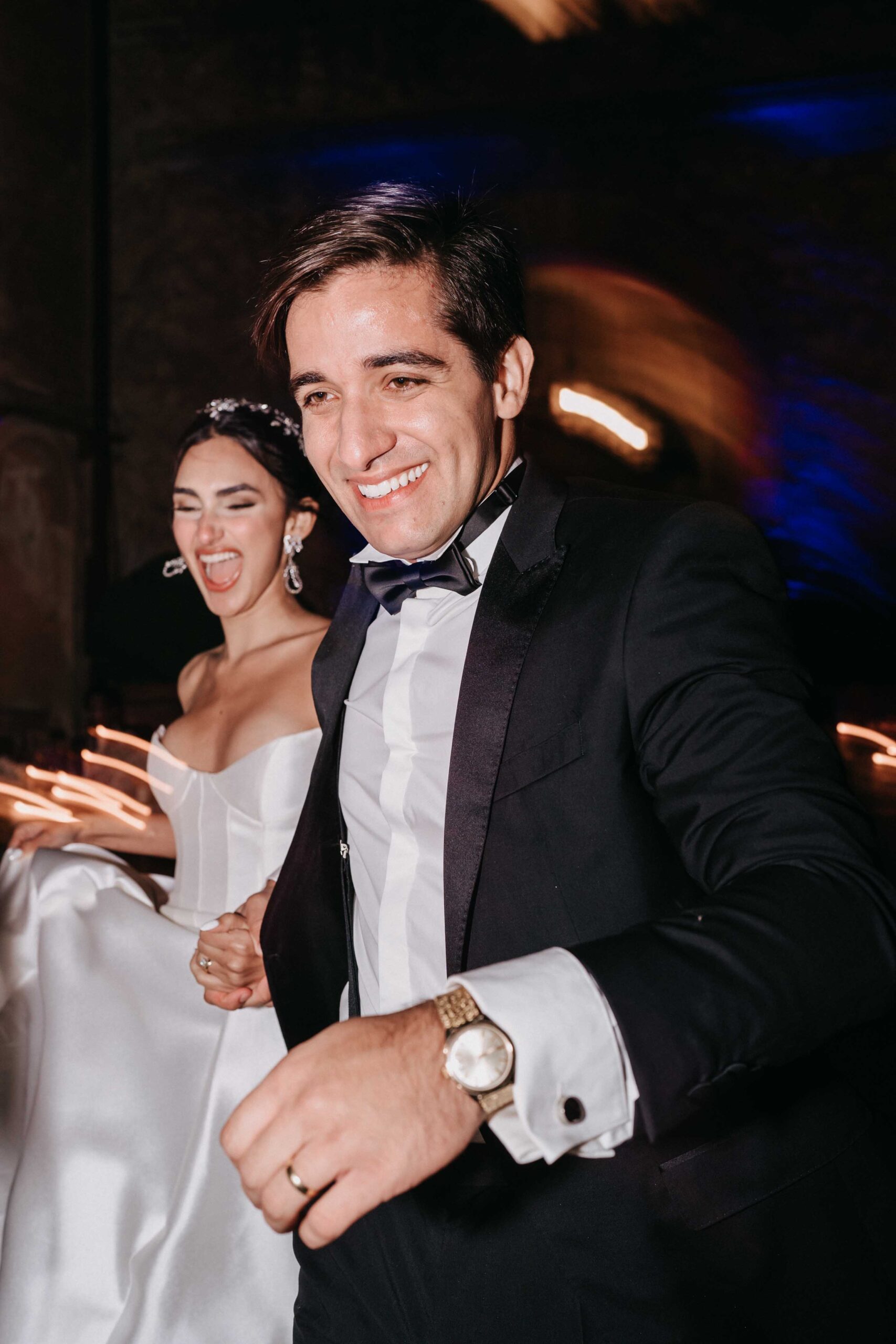
A Lake Como wedding is a symphony of natural beauty, architectural grandeur, and refined hospitality. By understanding boat logistics, venue typologies, seasonal nuances, and editorial timing, couples and planners can craft a celebration that flows seamlessly and photographs beautifully. Roberto Panciatici Studio combines creative vision with technical mastery to capture the essence of your Lake Como wedding.
Contact us to begin designing a narrative that reflects Modern Elegance amid the lake’s sublime landscapes.

