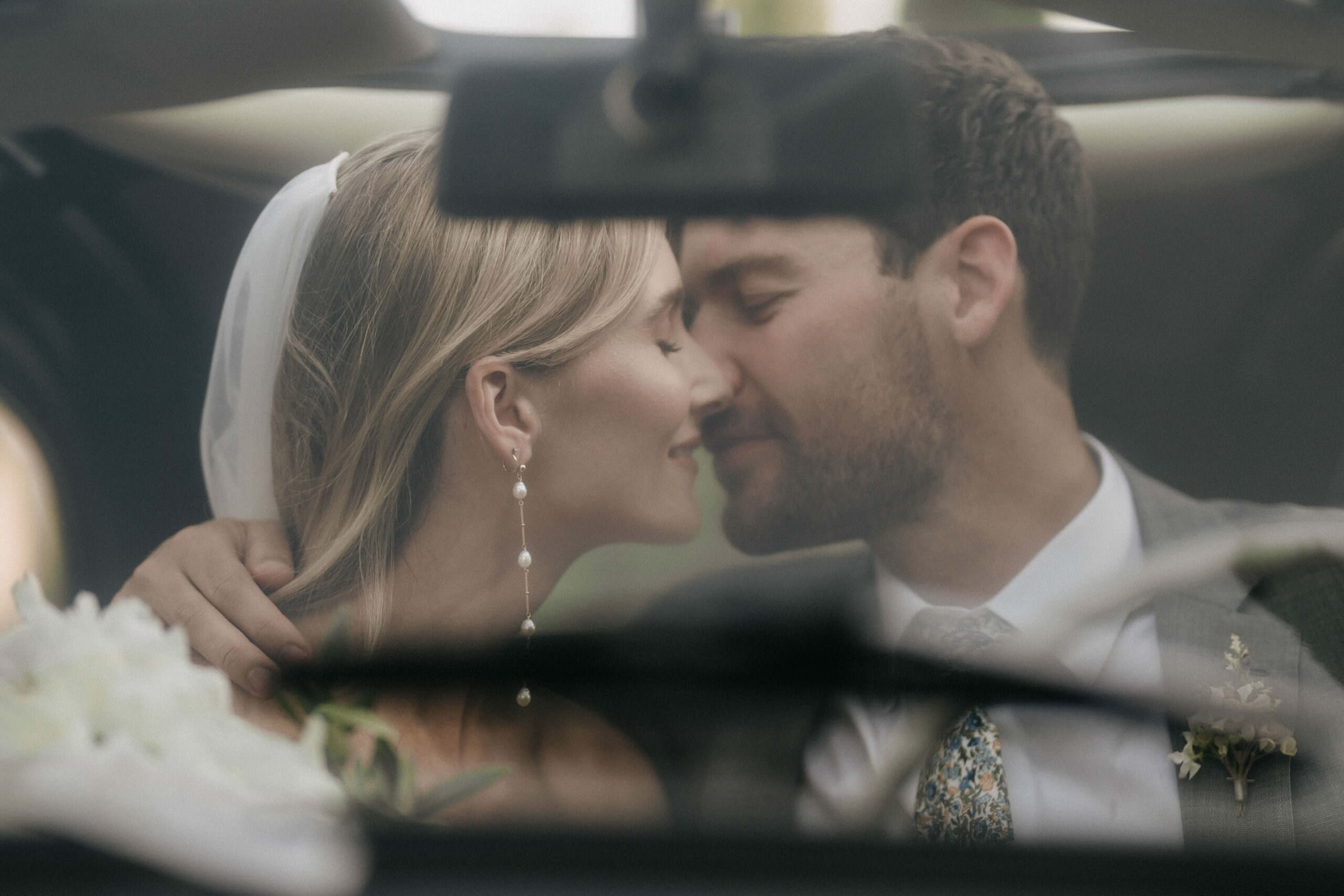
Tuscany has more wedding venues than any couple could reasonably evaluate. Castles, villas, agriturismos, private estates, hotels converted from monasteries, relais built into medieval hill towns. Every single one is beautiful in listing photographs. That is not the question. The question is which of them rewards editorial photography, and which is merely photogenic in a magazine-spread way that does not translate into images that will still feel relevant twenty years later.
This is a short guide to the criteria Roberto Panciatici Studio uses when advising couples on venue selection in Tuscany. It is written from the perspective of the photographer, not the planner. Both perspectives matter, but the photographic perspective is the one most often left out of the conversation until it is too late to act on it.
The question couples rarely ask
Most venue visits focus on capacity, catering, accommodation, and aesthetic first impressions. These are legitimate priorities. The photographic question that is almost never asked is: what does this venue do with light, across the day, across the year, in the specific hours in which the wedding will actually take place.
A venue can be extraordinary at 11 am and ordinary at 6 pm. Another can be the opposite. Without this understanding, a couple is choosing a venue on the basis of how it looks in a listing, not how it will look in their wedding album.
Criterion one, orientation relative to the sun
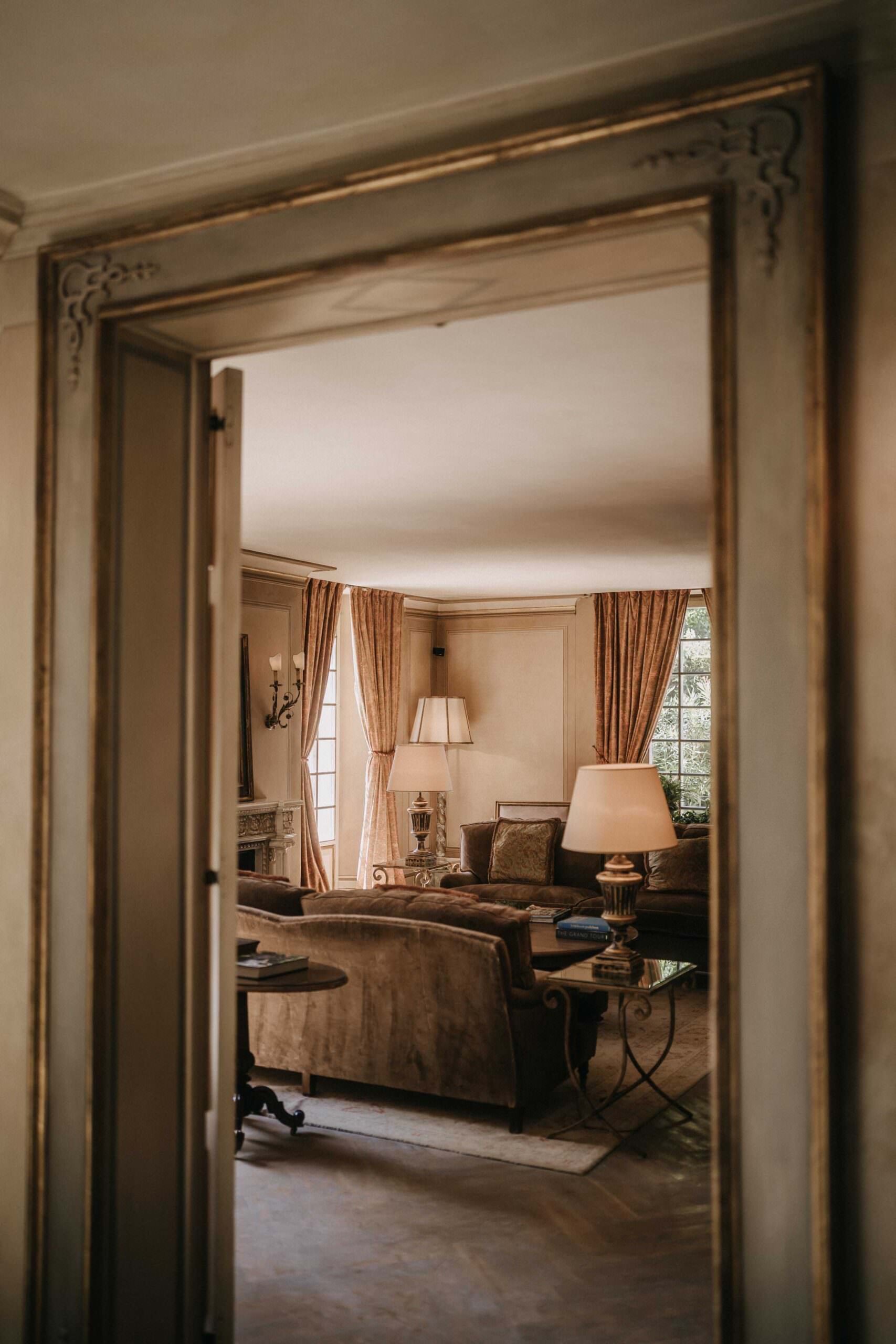
The direction a venue faces determines where the light comes from at every moment of the day. A loggia oriented west catches full warm light in the late afternoon and becomes the natural home of the ceremony. A courtyard oriented north stays cool and evenly lit throughout the day, which is excellent for midday portraits but less cinematic at sunset. A garden facing east receives soft morning light and goes into shadow by late afternoon, making it better suited to early sessions than to evening ceremonies.
Before committing to a Tuscan venue, the studio recommends checking where the sun rises and sets relative to the main architectural features, and how the shadows fall across the spaces where the wedding will actually unfold. Sun path apps make this easy. Wedding planners who know the region can also confirm the behaviour of individual properties across the calendar.
Criterion two, architectural generosity
Some Tuscan venues offer photographers many different backgrounds within a small footprint: a stone staircase, a frescoed interior, a garden with a long axis, a terrace with a horizon view. Others are beautiful but repetitive, offering one signature setting surrounded by secondary spaces that do not add variety.
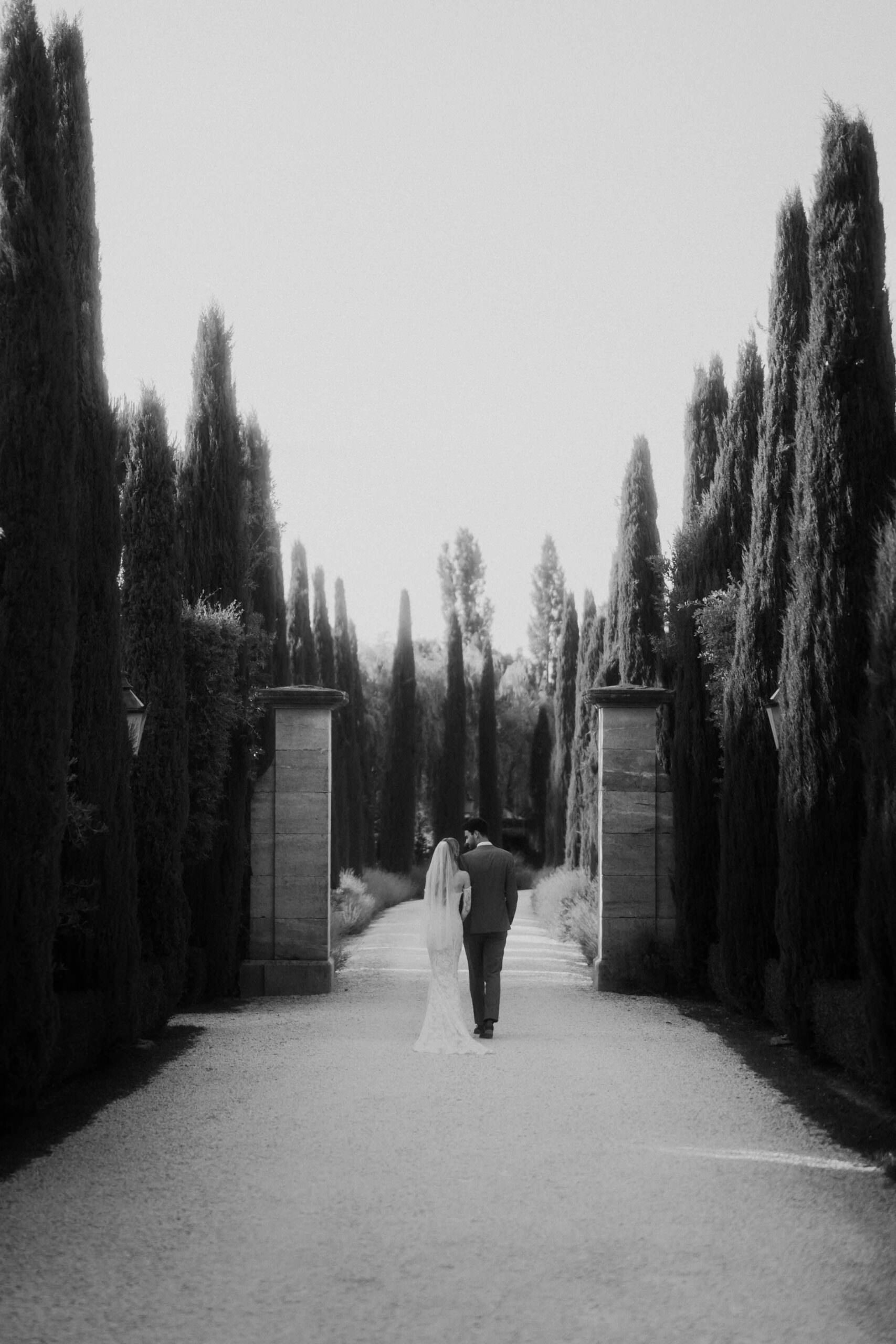
Editorial photography benefits enormously from architectural variety, because it allows the story of a day to feel visually rich without requiring the couple to travel between multiple locations. A venue like Villa Cetinale offers baroque interiors, formal gardens, a cypress alley, and an exterior facade that glows at sunset, all within walking distance. A venue like Borgo Santo Pietro combines medieval stone, manicured gardens, a working farm, and contemporary interiors in a way that gives the day several distinct chapters without anyone needing to drive.
When visiting a venue, ask how many visually distinct settings it offers within a ten-minute walk of the main event space. The answer shapes what the wedding album will look like.
Criterion three, privacy and access
Some Tuscan venues are private estates used by one wedding at a time. Others share grounds with paying hotel guests during the wedding itself. For editorial photography, the first category is strongly preferred, because it allows portraits in locations that would otherwise be crowded, and because it gives the couple and the photographer freedom to move through the property without navigating other guests.
Exclusive-use venues tend to be more expensive. They are also the venues that produce the most cinematic weddings, because the whole property becomes a film set for a day. For couples prioritising editorial outcomes, this is the most consequential trade-off in the budget.
Criterion four, interior quality
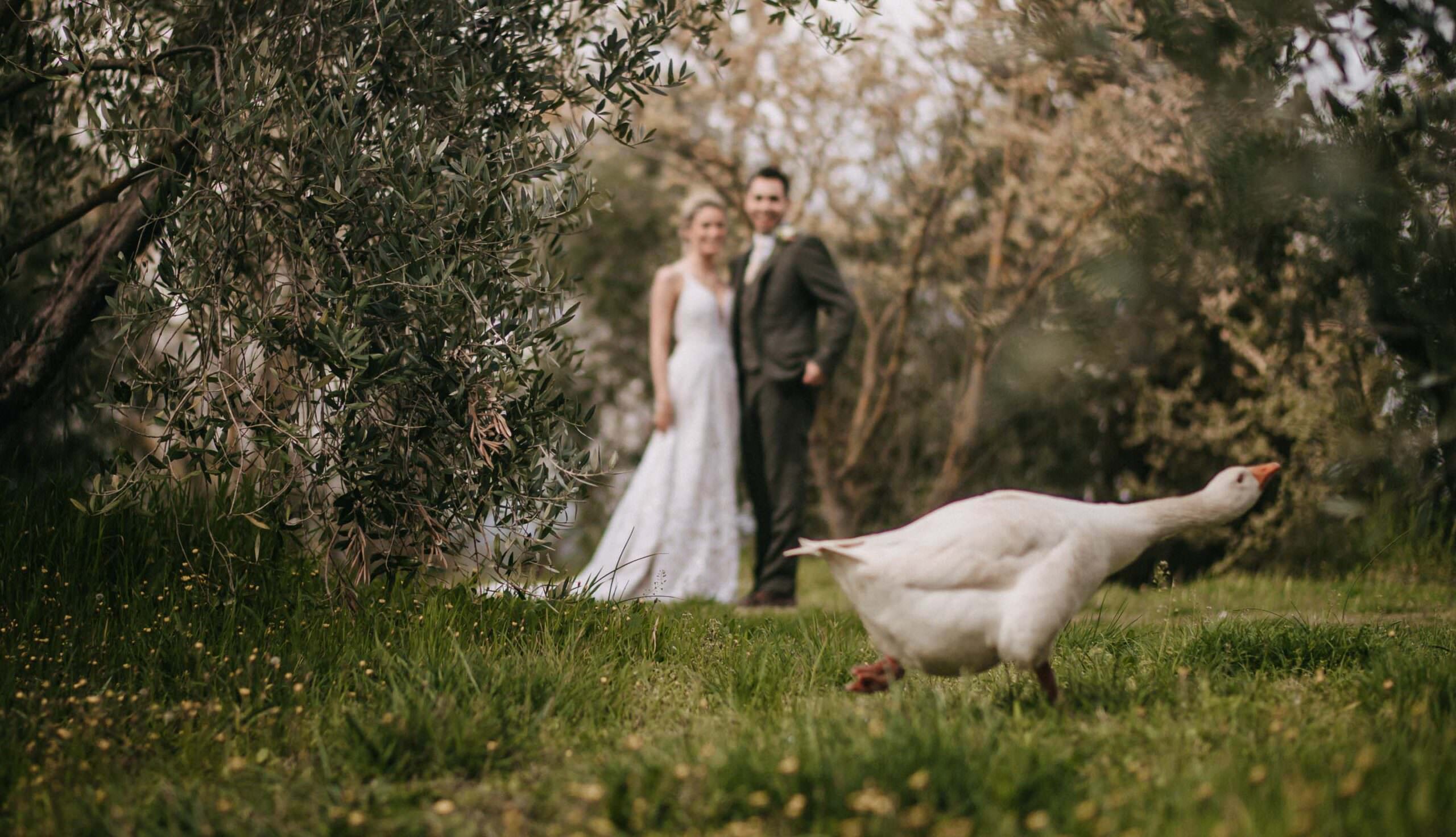
Tuscan weather is generally kind but not guaranteed. A ceremony planned outdoors in May can move indoors because of rain. A reception planned on a terrace in June can be pushed inside because of wind. Couples who do not check the indoor alternatives are gambling on weather that occasionally refuses to cooperate.
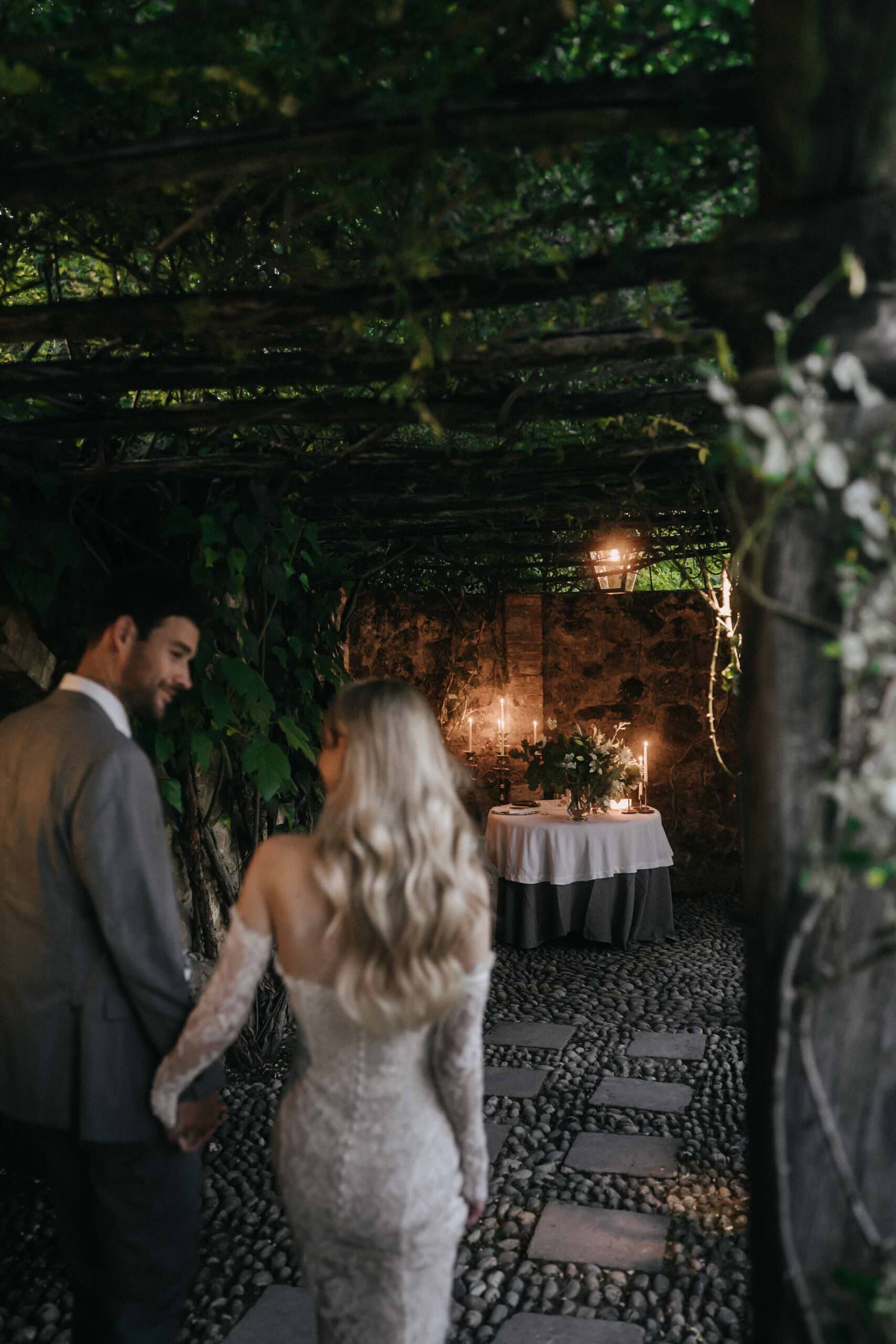
The photographic test for interiors is simple. Would this room still produce beautiful images if the entire wedding took place inside it. If yes, the venue is resilient. If no, the outdoor plan is the only plan, and any weather disruption becomes a photographic disaster.
Estates like Borgo Santo Pietro and Castello di Celsa pass this test because their interiors are frescoed, intimate, and well proportioned. Some famous outdoor venues do not, because their indoor spaces were built for dining rather than ceremony and do not hold up visually to the same standard as their gardens.
Criterion five, proximity and rhythm
A wedding that requires guests to drive thirty minutes between ceremony and reception loses photographic rhythm. Guests arrive late, the light shifts during transit, the cocktail hour feels rushed, and the couple’s portrait window collapses. The strongest editorial Tuscan weddings happen at venues where the entire day unfolds within walking distance, because time is not spent on logistics and the photographer can work continuously with the couple rather than waiting for transitions.
When evaluating a venue, confirm that ceremony, cocktail, and dinner happen within the same property or within two minutes of each other. This single consideration protects the integrity of the day more than any design choice.
The shortcut criterion, planner recommendation
The single best shortcut is to ask a wedding planner whose taste you trust which three Tuscan venues they would recommend for a couple like you. Good planners have photographed and photographed-for weddings across dozens of Tuscan properties. They know which venues deliver on their listing promise and which do not. Their recommendations are worth more than any venue website.
If the planner recommends properties the studio has photographed (Castello di Celsa, Borgo Santo Pietro, Villa Cetinale, The Lazy Olive, Villa Mangiacane), the alignment of taste is usually strong. If the planner recommends properties the studio has not yet photographed, it may be worth scouting them together.
How Roberto Panciatici Studio approaches venue selection
When a couple enquires before the venue is booked, the studio offers input on the shortlist. Not every venue is suited to the studio’s editorial sensibility, and transparency about this matters to both sides. Some properties, however beautiful, are oriented toward a maximalist aesthetic that is not what the studio does best. Others are a natural fit and the photography nearly designs itself.
For a deeper view of the venues the studio knows intimately, see the wedding photographer in Tuscany pillar page. For an article on timing once the venue is chosen, see best time of day for wedding photos in Tuscany.
Frequently asked questions
Should we book the photographer before or after the venue?
Ideally before. A photographer who knows Tuscany intimately can offer input on venue selection that saves time and elevates outcomes. The more common sequence (venue first, photographer second) is workable, but closes off some options.
Are castles better than villas for editorial wedding photography?
Not inherently. Castles offer dramatic stone architecture but can feel cold and limited in interior variety. Villas often offer more range between gardens, interiors, and terraces. The decision should be made on specific properties rather than on category.
What about agriturismos?
Some Tuscan agriturismos are exceptional: rustic, private, architecturally intimate, with strong light. Others are commercial and generic. The editorial question is whether the agriturismo feels handmade or templated. The best properties have a genuine point of view.
Does a venue need a view to produce good photographs?
A view helps but is not required. Some of the strongest Tuscan wedding photographs happen in enclosed courtyards, frescoed rooms, and cypress-lined gardens that have no distant horizon at all. What matters is the quality of the light inside the space, not what lies beyond the walls.
Can you recommend specific venues for modern couples?
For couples who prioritise minimalism, intimate scale, and editorial sensibility, the studio typically suggests Castello di Celsa, Borgo Santo Pietro, Villa Cetinale, and The Lazy Olive as starting points. Each property has a different personality, but all four reward the kind of photography the studio practices.
Choosing a venue in Tuscany is a photographic decision as much as it is a logistical one. If you are building your shortlist and want a photographer’s perspective before committing, reserve a conversation.

