Tuscany is a land of golden light, rolling hills, and historic villas that evoke a sense of timeless romance. Weddings in Tuscany combine rustic charm with refined elegance, drawing couples from around the world. This guide explores how to harness Tuscany’s unique qualities for Modern Elegance wedding photography. It covers light behavior, landscape, venue intelligence, and planner-level insights. It matters because Tuscany’s beauty requires thoughtful planning to translate into memorable images. This article is for couples, planners, venues, and luxury service providers seeking to celebrate in the heart of Italy.
Cultural Context of Tuscany Weddings
Tuscany is rich in art, history, and hospitality. Cities like Florence, Siena, and Lucca boast Renaissance architecture and cultural landmarks. Countryside towns like Montepulciano and San Gimignano offer medieval charm. The region’s culture values slow living and artisanal craftsmanship. Tuscan weddings often incorporate local traditions: couples exchange vows in ancient churches or vineyards, serve multi-course feasts with local wines, and end the night with fireworks or sparklers. Carts of gelato and live opera performances add Italian flair. Respecting these traditions while incorporating modern design ensures a wedding that feels authentic and sophisticated.
Golden Light and Rolling Landscapes
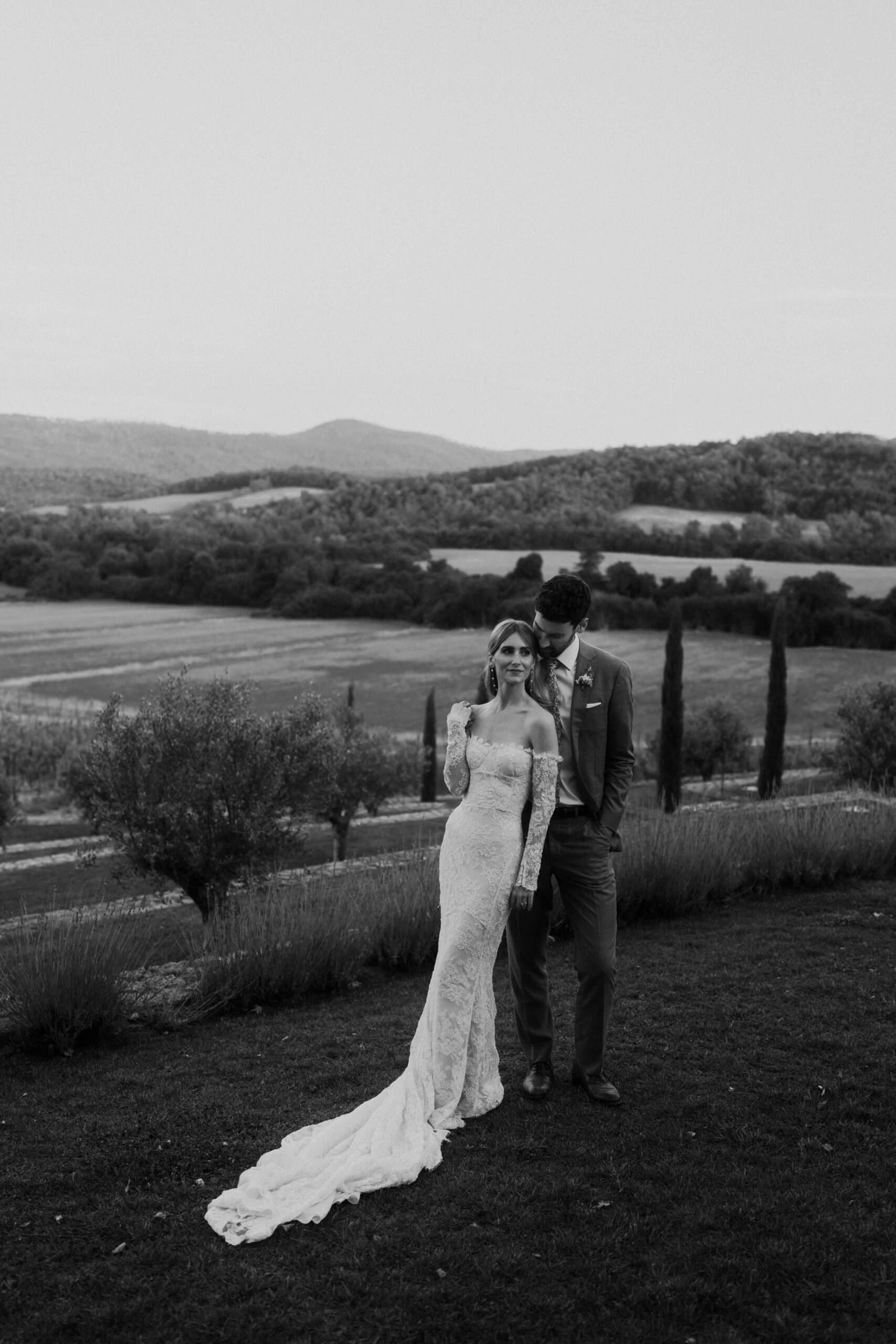
Tuscany’s light is legendary. Sunrise bathes the hills in a soft glow; sunset casts golden hues across vineyards and cypress-lined roads. Photographers should schedule sessions at these times to capture warm, diffused light. Midday sun can be harsh; plan activities under the shade of olive trees or inside rustic villas. Rolling hills create layers in your images, adding depth and perspective. Use leading lines from rows of vines or cypress trees. Fields of sunflowers and wheat create seasonal color palettes, while autumn vineyards turn red and orange. Winter’s muted tones lend a moody atmosphere to intimate weddings.
Venue Intelligence: Villas, Castles, and Agriturismos
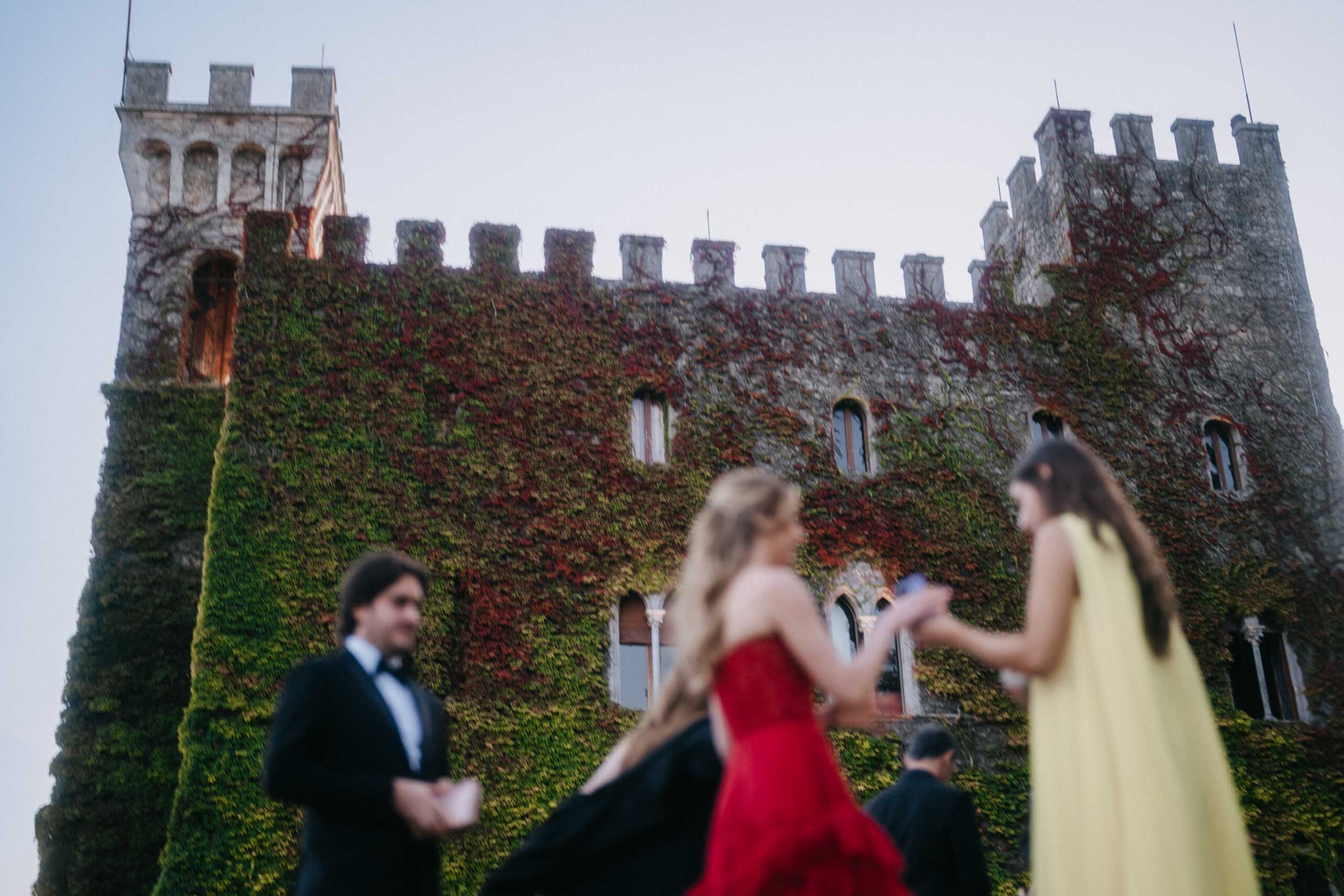
Tuscany offers diverse venues. Castles like Castello di Vincigliata blend medieval architecture with manicured gardens. Villas like Villa La Vedetta or Borgo Stomennano provide stately halls and charming courtyards. Agriturismos, working farmhouses converted into guesthouses, offer rustic luxury and farm-to-table cuisine. Each venue requires consideration of space and amenities: some are remote and need shuttle services, others are in city centers requiring parking logistics. Work with planners to select venues that align with your guest count, desired aesthetic, and logistical needs. Consider a venue buy-out for privacy and flexibility.
Logistics and Seasonality
Tuscany’s climate varies by region. Coastal areas like Maremma have mild winters and hot summers. Inland regions experience seasonal extremes. Spring (April-June) offers mild weather and lush landscapes; summer (July-August) is hot but festive; autumn (September-October) is harvest season with rich colors; winter (November-March) is quiet and cozy. Arrange transport for guests via shuttle buses or private cars, especially for rural venues. Allow time for winding roads and scenic routes. Permits may be needed for outdoor ceremonies in public spaces or historical sites. Consult local authorities and ensure proper timing.
Planner-Level Insights: Designing an Elegant Timeline
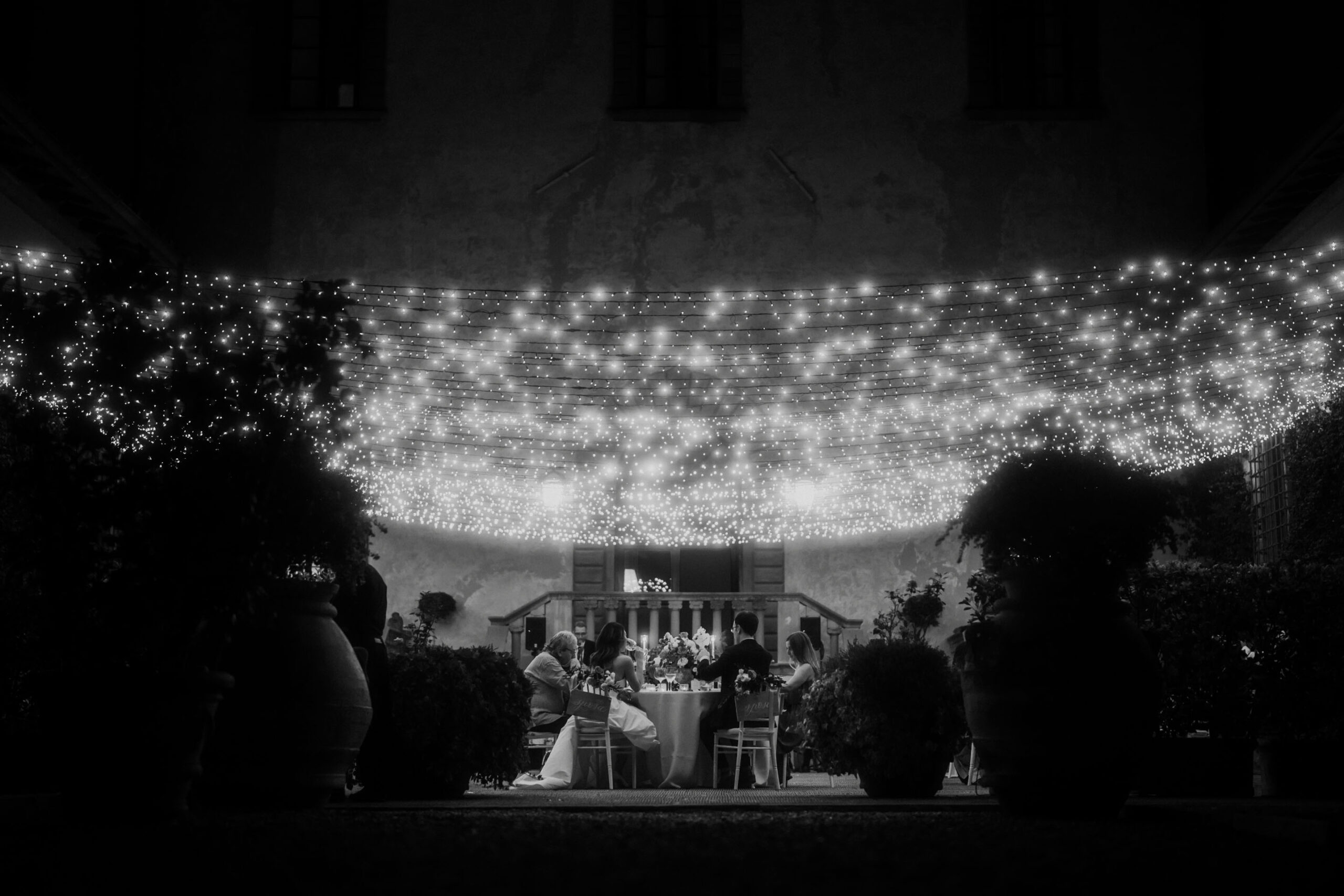
An elegant Tuscan wedding timeline balances leisure with structured events. Begin with a morning stroll through the vineyards or a cooking class for guests. Schedule hair and makeup in a villa’s suite with views of olive groves. Plan the ceremony in late afternoon, when light softens over the hills. Host cocktail hour on a terrace overlooking the countryside, serving Prosecco and bruschetta. Dinner can be under a pergola lit by fairy lights and candles, with long tables adorned with greenery. Incorporate live musicians playing Italian classics. End the evening with dancing under the stars and a midnight pasta station.
Guest Experience and Hospitality
Tuscan hospitality is legendary. Provide welcome baskets with local olive oil, honey, and wine. Offer guests experiences like wine tastings at Chianti wineries, tours of the Uffizi Gallery, or truffle hunting. Consider accommodating guests in the same villa or nearby hotels to foster community. Use local artisans for wedding favors: hand-painted ceramics, leather goods, or olive wood cutting boards. Serve regional dishes like bistecca alla Fiorentina, pici pasta, and cantucci with Vin Santo. Ensure there are transportation options for guests late at night, as rural areas lack taxis.
Unique Photographic Intelligence
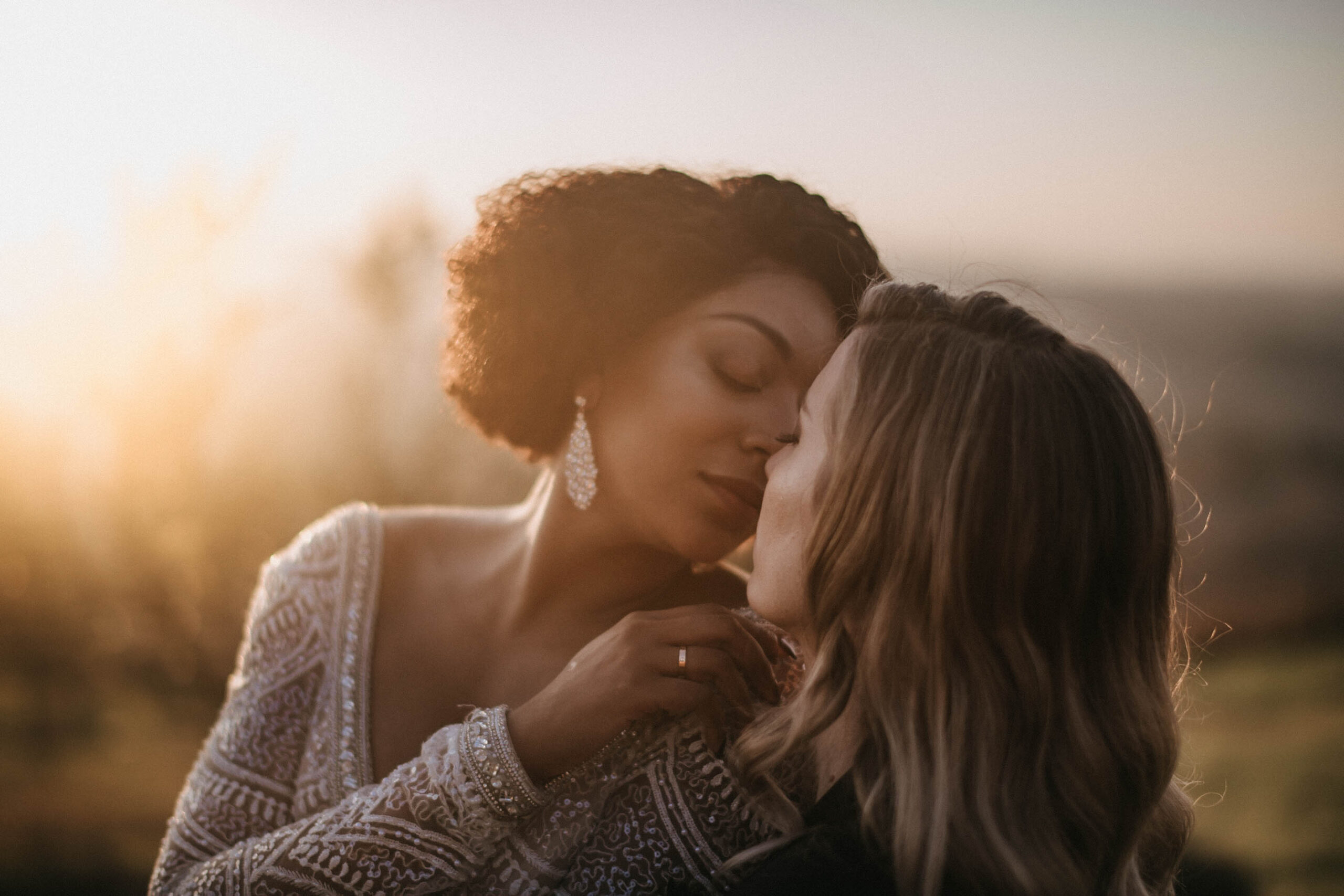
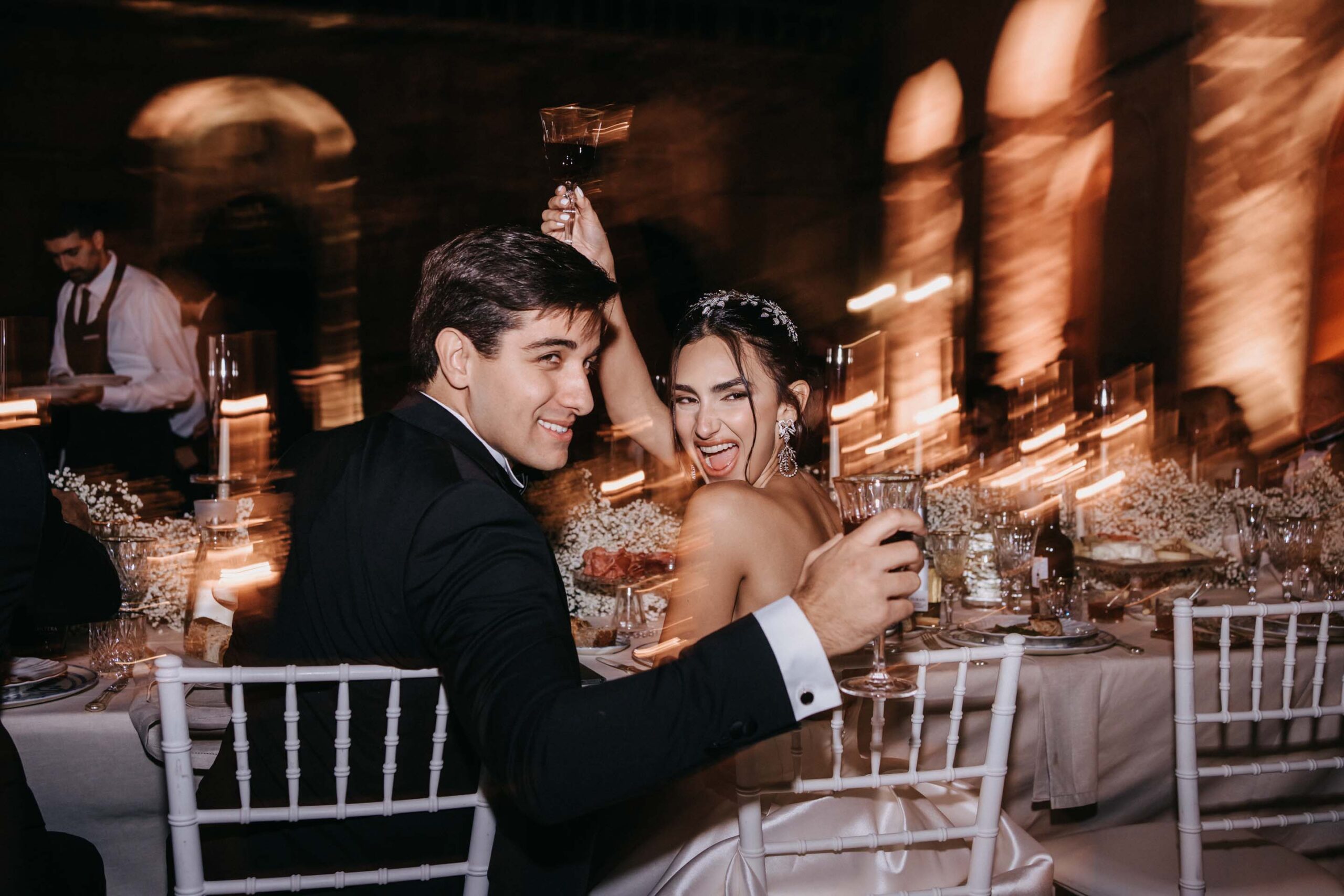
Tuscany invites a cinematic approach to photography. Use natural light to evoke warmth and intimacy. Frame couples against sweeping landscapes, creating a sense of scale. Capture spontaneous moments: laughter during vineyard tours, guests singing around a bonfire. Incorporate architectural elements like stone arches, wooden beams, and antique doors. Use long lenses to compress the hills and create layered compositions. At night, use string lights and candles to illuminate scenes. A drone can capture the full scope of a villa and surrounding vineyards, while close-ups highlight details like lace on a bridal gown or dew on an olive leaf.
Direct Answers to Key Questions
- When is the best season for a Tuscan wedding? Spring and autumn offer mild weather and vibrant colors. Summer is popular but hot; winter is charming for intimate celebrations.
- Do we need permits for outdoor ceremonies? Some public spaces require permits. Consult your planner and local authorities.
- Are multi-day events popular? Yes. Many couples host welcome dinners, rehearsal events, and farewell brunches across different venues.
- How early should we book venues? Popular villas and castles can be booked 12–18 months in advance, especially for peak months. Planning early ensures you secure your preferred dates and vendors.
- Can we legally marry in Italy if we’re not Italian? Yes. Civil ceremonies require paperwork from your home country and the local Italian municipality. Many couples choose symbolic ceremonies in Italy and legalize their marriage elsewhere.
- Is Tuscany child-friendly? Yes. Many venues offer activities for children, and rural settings provide space for play. Consider hiring child minders to supervise during the event.
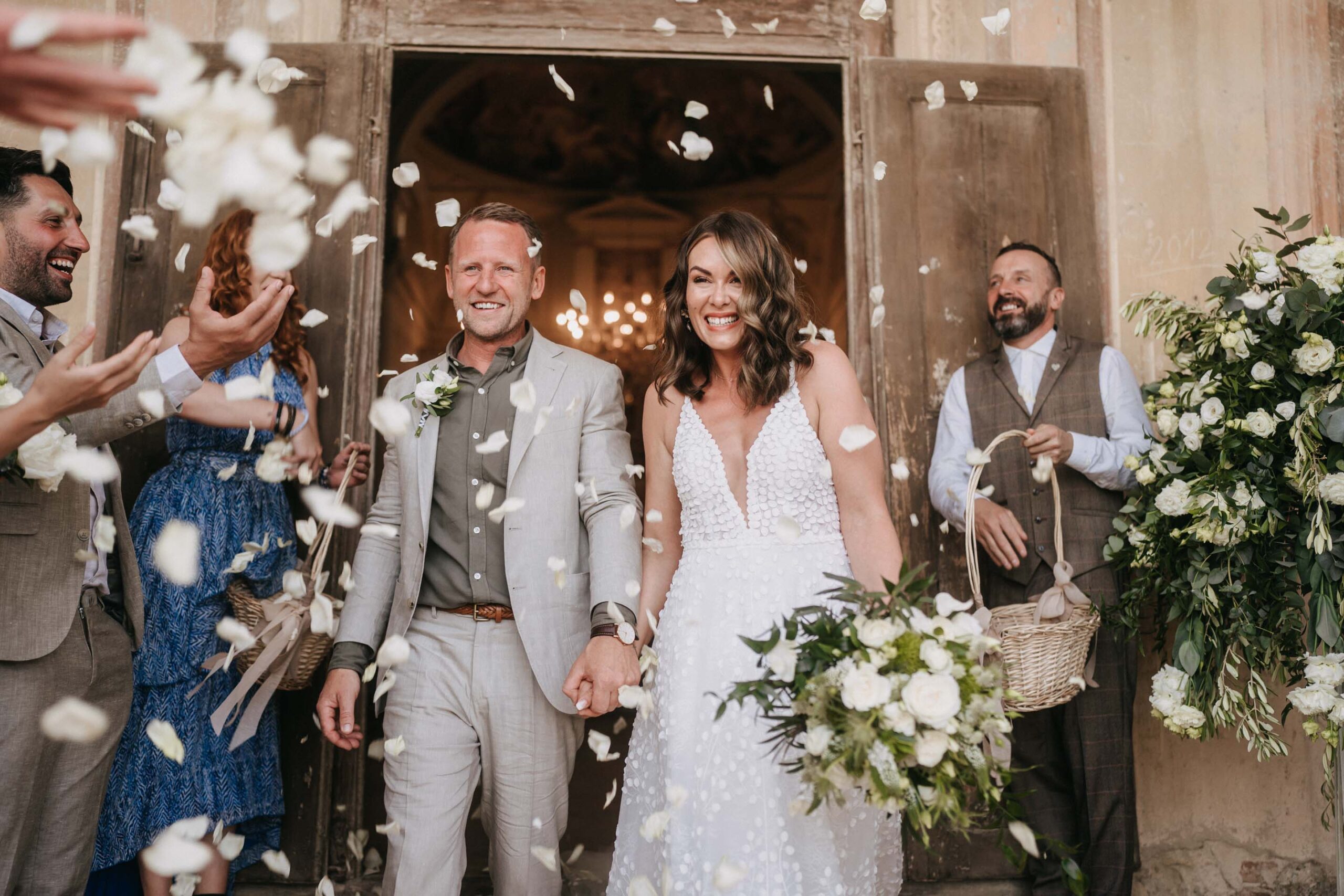
Tuscany captures the essence of Italian romance with its rolling hills, golden light, and historic architecture. By understanding venue intelligence, seasonal nuances, and logistical planning, couples and planners can craft a celebration that reflects both rustic charm and modern elegance. Roberto Panciatici Studio transforms these elements into a visual narrative that resonates with emotion and sophistication. For a wedding that marries Tuscan tradition with contemporary artistry, reach out to us and let’s plan your elegant journey through the hills of Tuscany.

