The Amalfi Coast is a world-famous wedding destination known for its dramatic cliffs, colorful villages, and Mediterranean charm. Crafting a wedding here involves navigating vertical landscapes, complex logistics, and light control. This article delves into these aspects, providing planners, couples, and venues with insights for creating refined, modern celebrations on the coast. It matters because the Amalfi Coast presents unique challenges that require professional expertise to overcome. This guide is tailored to those seeking to understand how to marry Italian tradition with contemporary elegance.

Cultural Context of Amalfi Coast Weddings
The Amalfi Coast’s history is rooted in maritime trade, artisan craftsmanship, and hospitality. Towns like Positano, Ravello, and Amalfi were once vibrant trading centers. Today, they attract couples from around the world for their romantic landscapes. Local culture influences weddings: ceremonies often take place in historic churches like the Cathedral of Amalfi, followed by receptions in cliffside villas. Customary Italian elements include limoncello tastings, ceramic favors from Vietri sul Mare, and traditional bands performing Neapolitan songs. Respect for local traditions enhances authenticity, while incorporating contemporary design elements adds sophistication.

Vertical Landscapes and Architectural Character
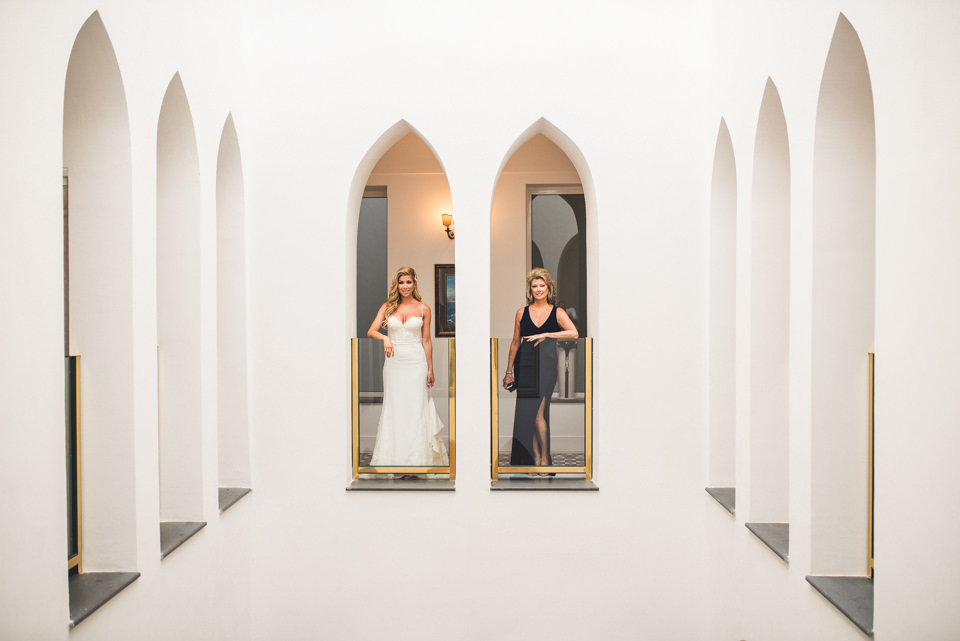
Cities along the Amalfi Coast are built into steep cliffs, connected by narrow staircases and winding roads. Positano’s pastel buildings tumble down to the sea, while Ravello overlooks terraced gardens. Venue selection is key: Hotel Caruso offers panoramic terraces; Villa Cimbrone features gardens and a famous Infinity Terrace; Palazzo Avino combines Moorish architecture with modern luxury. The vertical nature of these towns presents challenges: guests must navigate stairs; vendors must transport décor up narrow paths. Planners should arrange porter services and schedule breaks to accommodate travel between levels.
Logistics: Transportation, Access, and Light Control
Transportation on the Amalfi Coast relies on narrow roads and limited parking. Hiring private drivers or shuttle buses ensures safe travel for guests. Boats offer an alternative, transporting guests along the coast and providing scenic views. However, docking requires coordination with local authorities. Light control is critical; cliffs create shadows and reflect sunlight. Photographers should plan sessions when sunlight angles complement locations. Use reflectors and diffusers to manage harsh light. Summer days are bright and warm; schedule portraits early or late. Winters are mild but shorter; plan indoor sessions or use string lights to create ambiance.

Permits and Regulations
Many picturesque spots along the coast require permits for professional photography. Public beaches, historic landmarks, and private villa terraces may have restrictions. Apply for permits well in advance and coordinate with your planner. Some venues offer exclusive rights to certain areas when booked, simplifying permits. Music regulations may limit live bands and DJs after specific hours; confirm these policies. Drones are often restricted due to safety concerns and privacy; obtain proper authorization if needed.
Venue Typologies and Space Planning
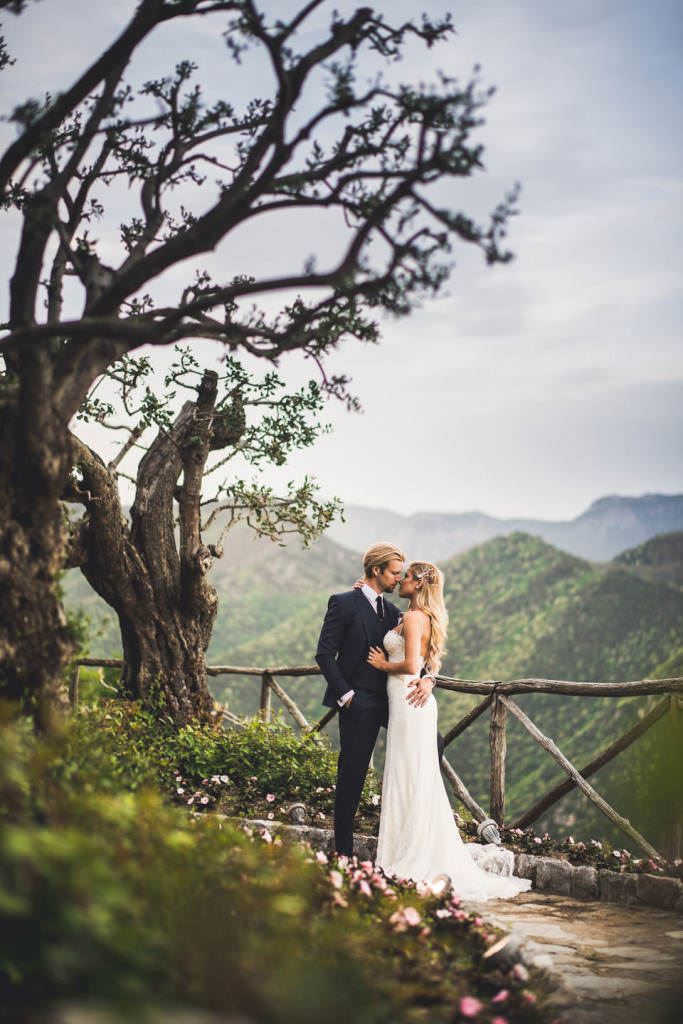
Venues range from intimate villas to luxury hotels. Villa Cimbrone offers a blend of gardens and historical architecture, ideal for medium-sized events. Villa Treville provides exclusive villas with private terraces and luxury amenities. Hotel Santa Caterina boasts elegant terraces overlooking the sea and a beach club for after-parties. When planning, consider guest mobility: choose venues with elevators or fewer stairs if accessibility is a concern. Allocate spaces for ceremony, cocktail hour, and dinner that maximize views and comfort. Consider hosting smaller events at different venues to showcase multiple towns.

Planner-Level Insights: Designing a Vertical Timeline
A successful Amalfi Coast timeline embraces vertical movement. Start preparations in a villa with expansive views. Schedule portraits on terraces in the morning or late afternoon. Host your ceremony in a garden like Villa Cimbrone’s Terrace of Infinity. Plan cocktail hour on a cliffside balcony with sunset views. Move guests to a nearby villa or hotel for dinner and dancing. Provide shuttle buses or boats between venues. Include time for guests to navigate stairs and for porters to transport belongings. End the night with a candlelit dessert display and fireworks over the sea.
Unique Photographic Intelligence
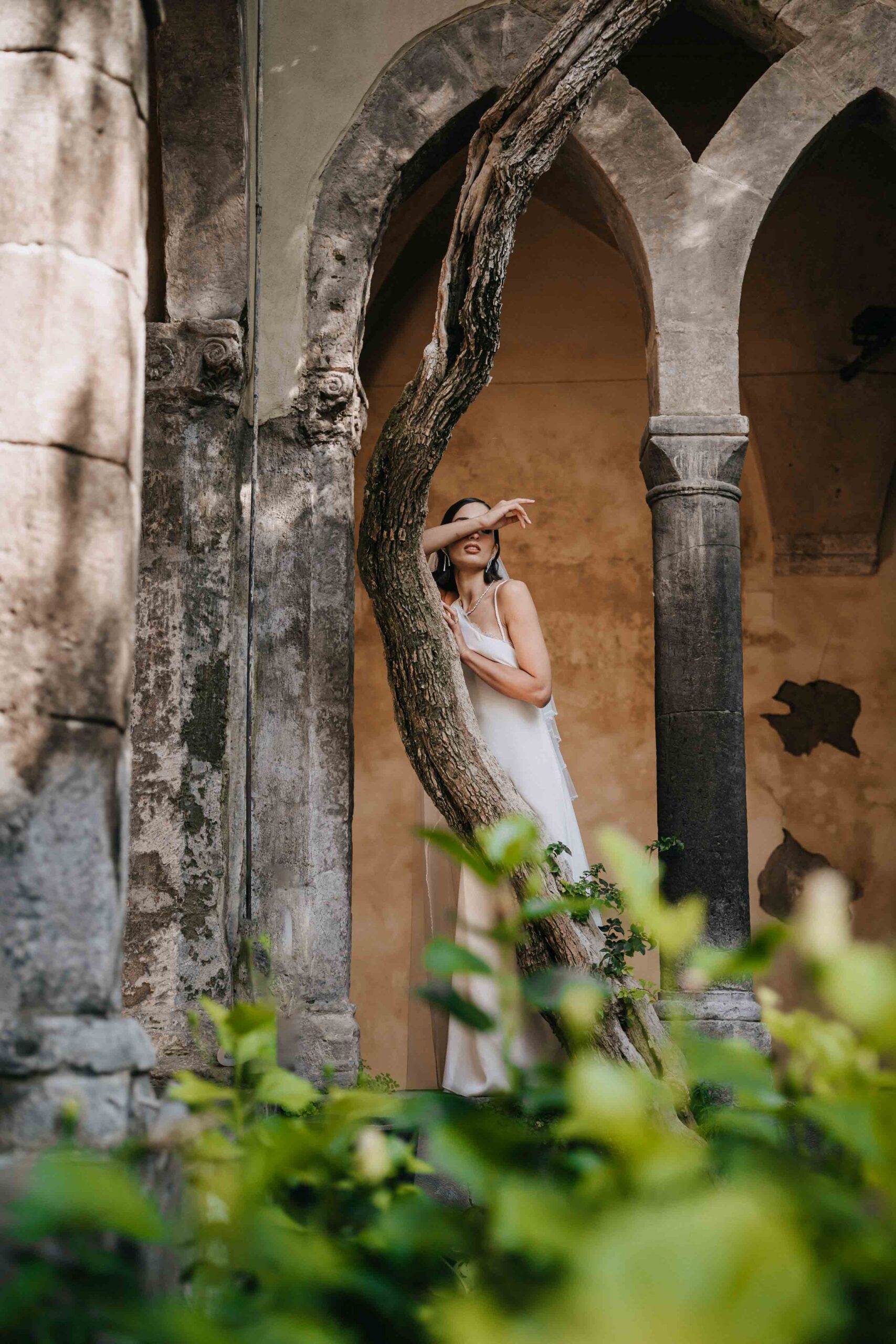
Photographers must be adept at managing elevation and light. Use wide-angle lenses to capture cliffs and the sea; tilt lenses can emphasize vertical lines. Reflectors reduce harsh shadows, while diffusers soften bright sunlight. Incorporate the coast’s textures: rough stone walls, colorful tiled floors, and lush terraced gardens. Night photography benefits from warm ambient lights and lanterns that highlight the sea. Capture candid moments of guests exploring narrow paths or sipping limoncello at sunset. A photographer familiar with the Amalfi Coast understands how to move efficiently between heights and ensure equipment safety.
Direct Answers to Key Questions
- Are there capacity limits? Many venues accommodate 50–100 guests; larger weddings may require full buy-outs. Confirm capacities early.
- What are the best months to marry? May, June, September, and October offer ideal weather. July and August are busy and hot.
- Do we need multiple venues? While not mandatory, using different venues for ceremony and reception can showcase more of the coast and ease logistical flow.
FAQs (Paragraph Format)
Is it difficult to transport décor? Yes. The vertical terrain requires porters and planning. Work with local vendors who understand the logistics of moving equipment and décor up and down stairs.
Can we have a beach ceremony? Some beaches are private or require permits. Ask your planner for recommendations like La Fontelina or Arienzo Beach Club. These locations offer privacy but may have limited capacity.
Is the Amalfi Coast child-friendly? Many venues welcome children, but stairs and cliffs can pose risks. Provide childcare services or designate safe play areas. Consider safety when planning fireworks or boat transfers.

Plan your Amalfi Coast wedding with clarity
If you are planning a wedding on the Amalfi Coast and want a photographer who understands vertical landscapes, complex logistics, and light control, working with the right expertise is essential. Roberto Panciatici Studio supports couples and planners seeking a refined, editorial approach shaped by real knowledge of the coast. Get in touch to discuss your project with clarity and intention.

