When is the best time of day for wedding photos in Paris? Couples and planners who want to capture the city’s romantic atmosphere must consider light, crowds and the rhythm of the day. The answer matters because Paris offers iconic landmarks and unforgettable experiences, but also bustling streets and variable light. This article explains why timing is crucial and is written for high-end couples, planners, venues and editorial platforms seeking precise guidance.
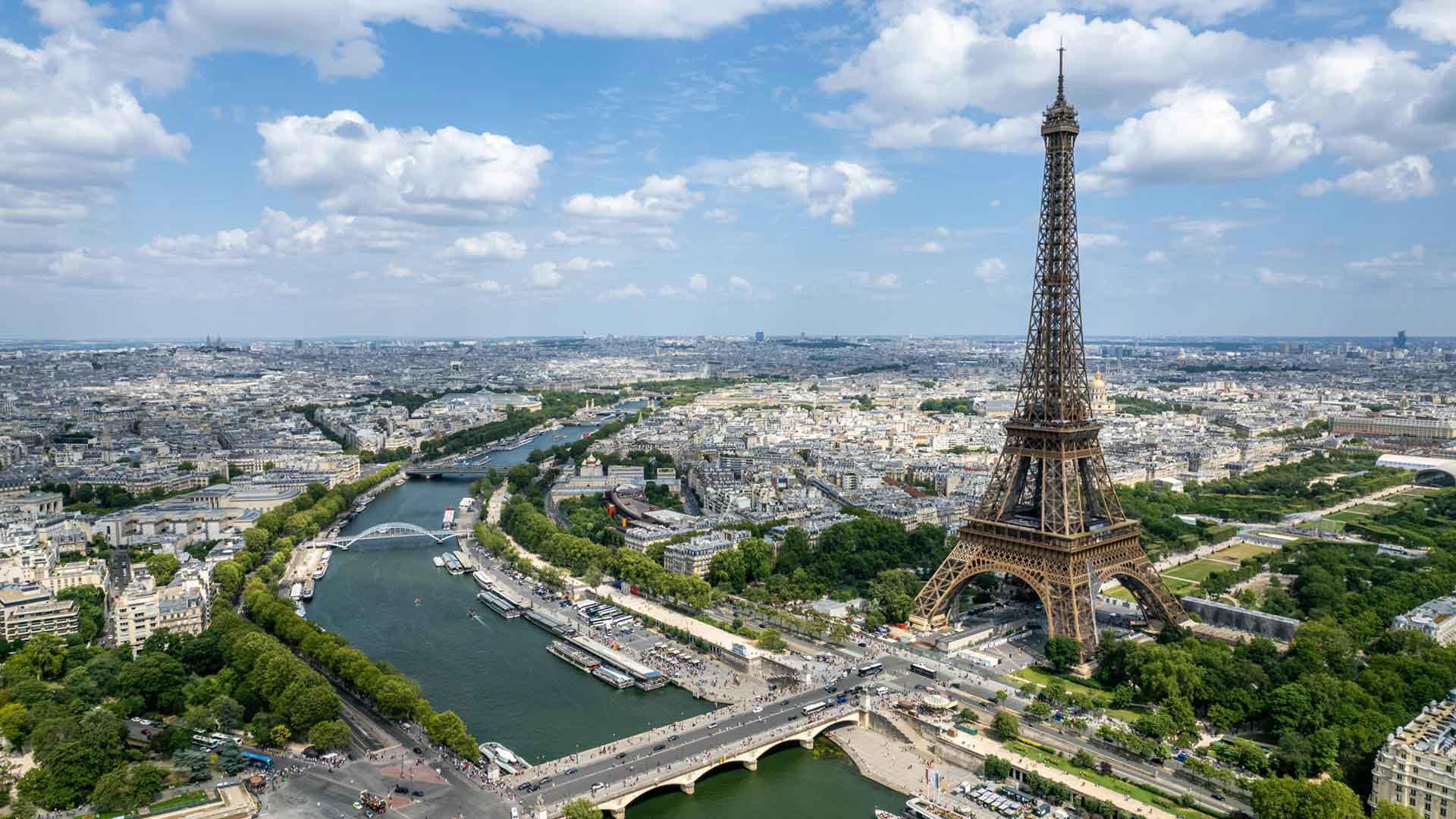
Why Timing Matters
The quality of light and the density of crowds change dramatically from dawn until night. Photographs taken at different times convey different moods. Early morning offers soft, even light and empty streets; midday light is harsh and unflattering; golden hour bathes the city in warmth; blue hour adds a cinematic glow. Choosing the right time ensures that images align with the couple’s vision and the planner’s design. It also affects logistics: some locations open only at certain times, and travel through the city is easier outside rush hours.
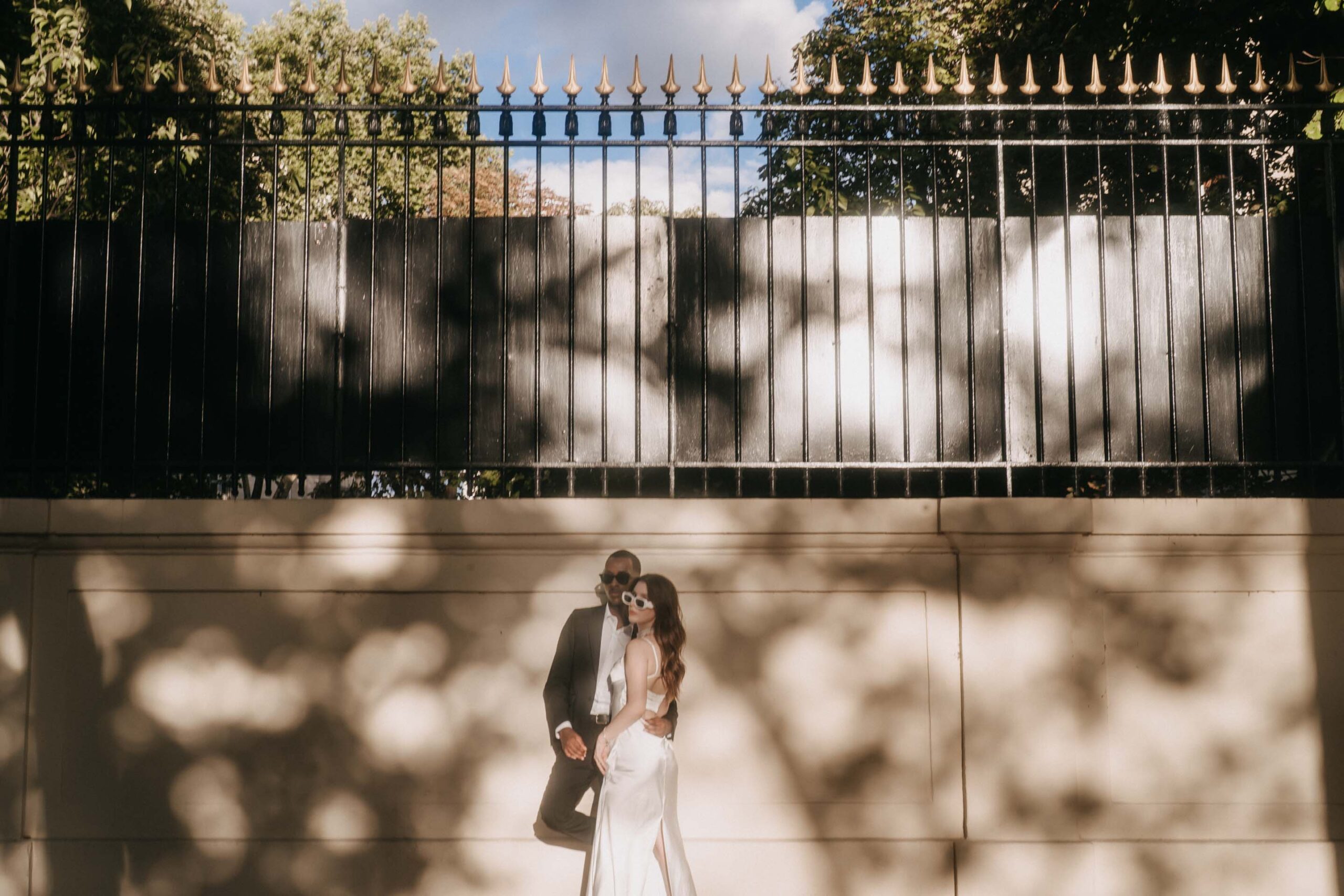
Early Morning Magic
Early morning, particularly during the hour after sunrise, is often the best time for wedding photos in Paris. The city is quiet and serene. Locations like Trocadéro, the Louvre pyramid and the bridges over the Seine are nearly empty. The light at sunrise is soft and flattering, casting gentle shadows and highlighting architectural details. For couples who want privacy and calm, a dawn session is ideal. Planners should schedule hair and makeup before dawn and arrange transportation to arrive at the location just as the sun rises. Sunrise times vary by season, so check local calendars.
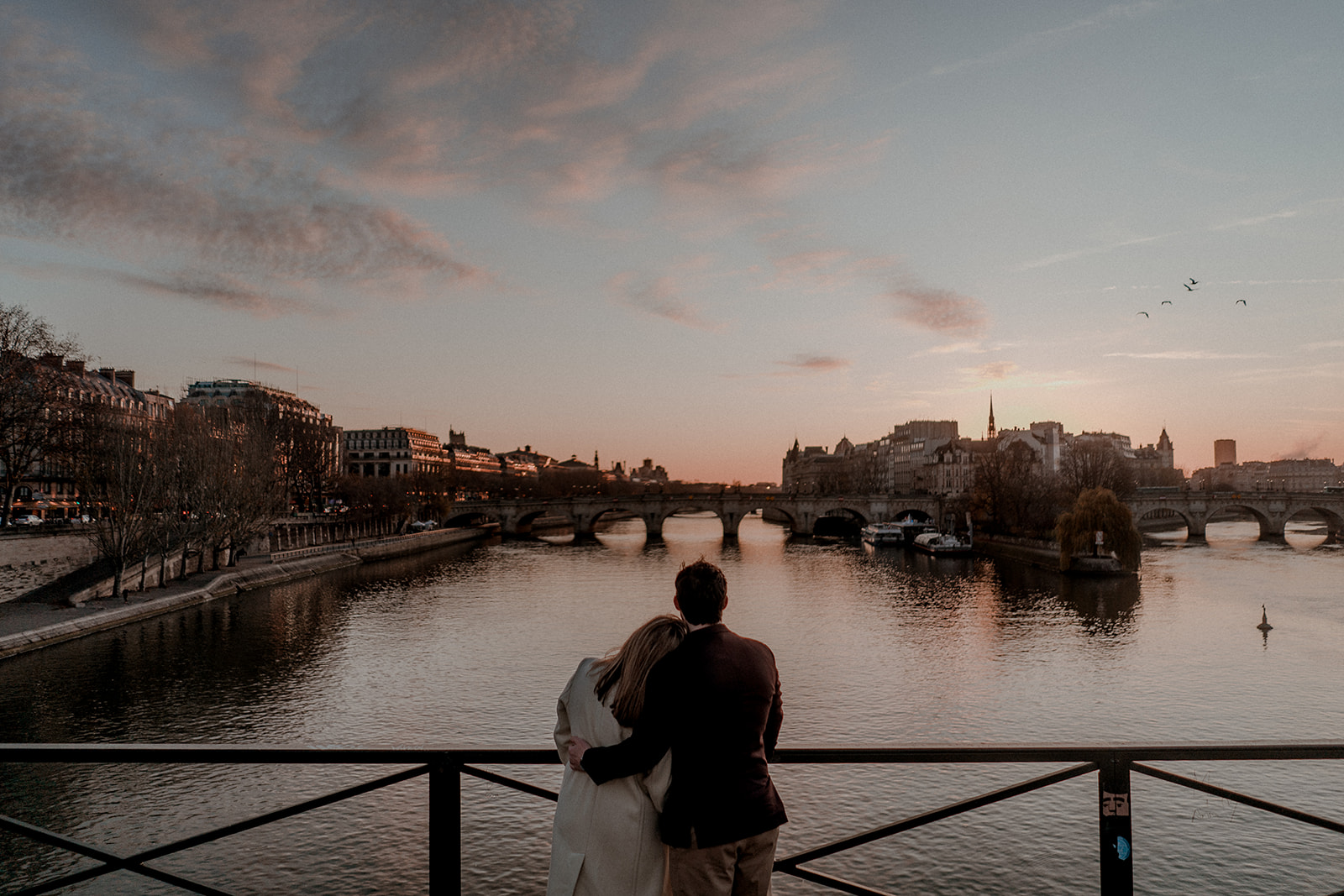
Midday Considerations
Midday light can be challenging. The sun is high and creates strong shadows, especially on faces. Crowds swell as tourists and commuters fill public spaces. If midday shooting cannot be avoided, choose shaded locations like Palais‑Royal’s arcades or indoor venues. Use diffused light sources, and schedule shorter portrait sessions to avoid fatigue. Lunch can be a natural break in the schedule, allowing couples to relax before resuming photography later in the day.
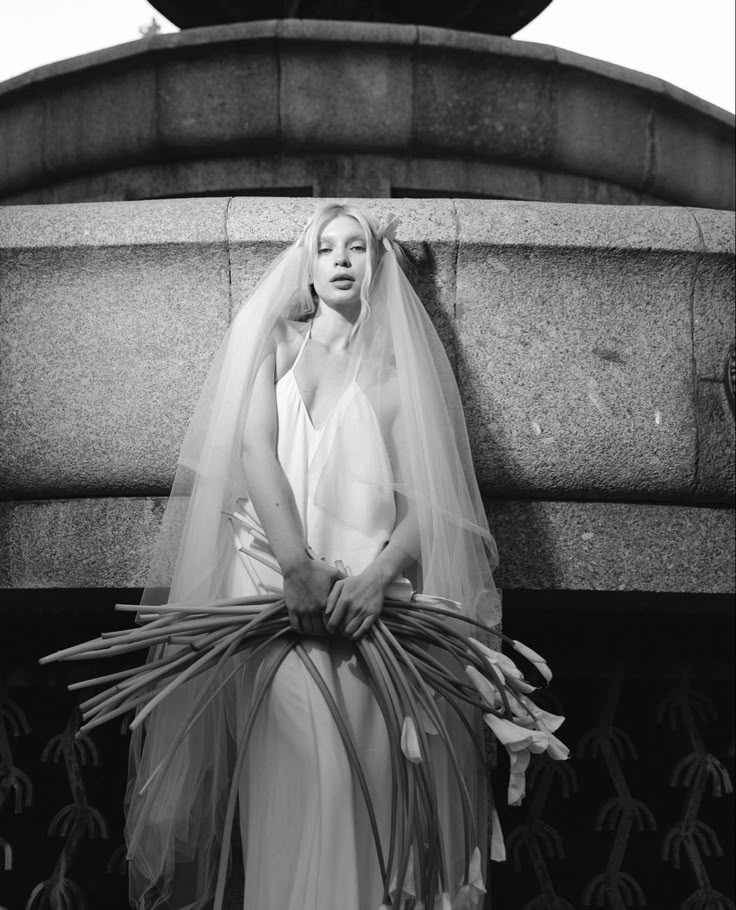
Golden Hour and Blue Hour
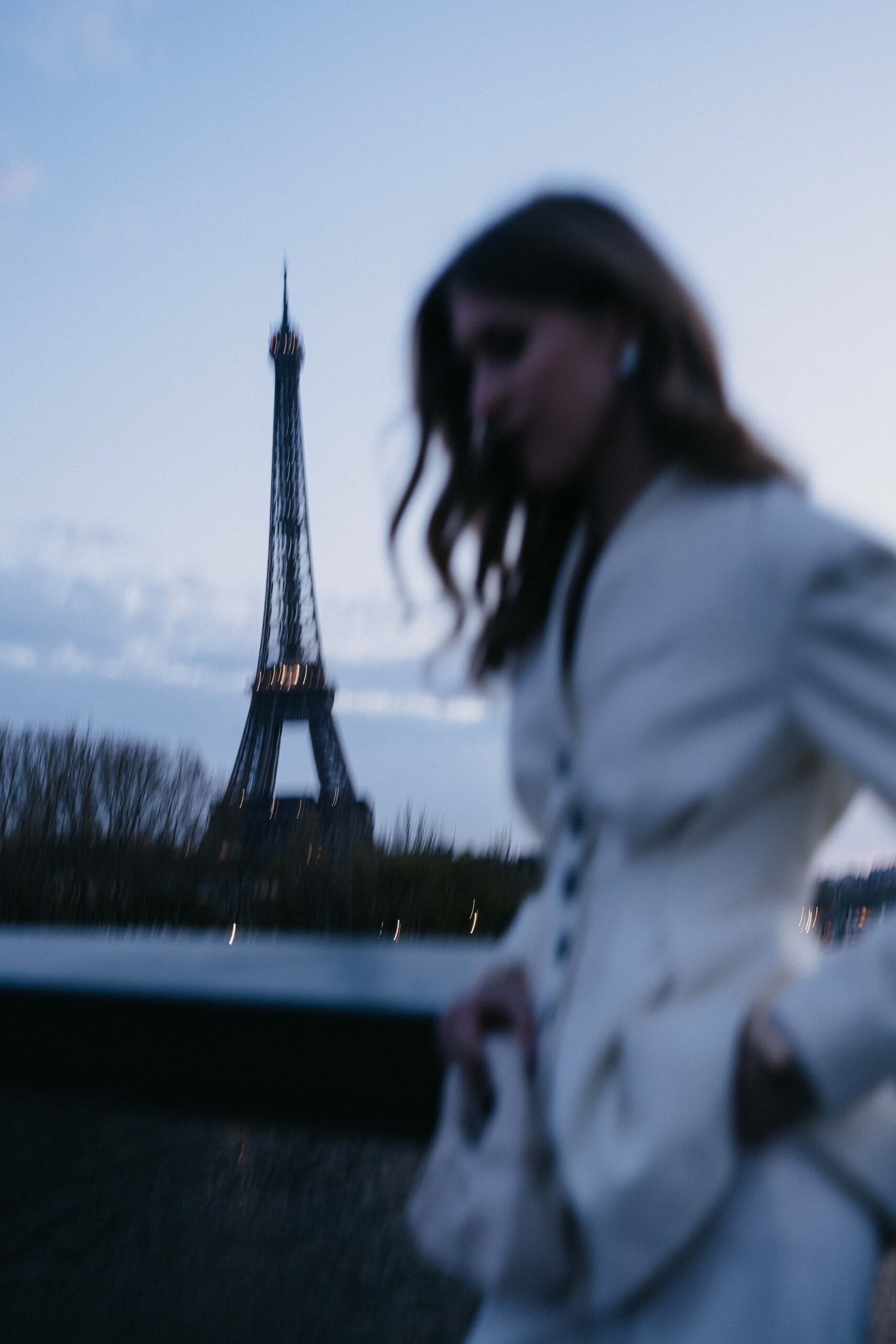
Golden hour—the hour before sunset—bathes Paris in warm, golden light. This time is ideal for capturing the city’s romance. The façades of historic buildings glow, and the atmosphere feels intimate. Popular locations include Île de la Cité, with the Seine reflecting the sun, and quieter gardens. After sunset, blue hour creates a cool, moody glow that contrasts with the city’s lights. Photographs taken during blue hour feel cinematic and editorial. Planners should factor travel time between locations, as traffic increases in the evening.
Seasonal Variations
Seasons influence sunrise and sunset times and the quality of light. In summer, the sun rises early and sets late, offering long windows for photography. Spring and autumn provide softer light and moderate temperatures, but days are shorter. Winter light is low and diffused, with shorter daylight hours. Understanding seasonal variation helps planners design schedules and informs wardrobe choices. Couples who prefer a cozy, moody atmosphere might choose a winter wedding with early evening portraits indoors.
Frequently Asked Questions
Is sunrise always the best time for photos? Sunrise offers unique serenity, but golden hour can be just as beautiful. The best time depends on the couple’s vision and the day’s schedule.
What if we cannot shoot at sunrise? Consider golden hour or blue hour. Alternatively, choose venues with controlled lighting or shaded areas for midday shoots.
Does time affect permit availability? Many permits for public sites are easier to obtain for early morning sessions. Discuss timing when applying for permits.
How do traffic and crowds affect scheduling? Morning sessions avoid crowds and traffic. Evening sessions may require extra buffer time for travel.
Should we avoid midday entirely? Not necessarily. Midday can work in shaded or indoor spaces. Use it strategically for preparations or travel between locations.
Considering Paris for your wedding photography?
Working in Paris requires clarity, structure and real knowledge of timing, permits and crowd dynamics. Roberto Panciatici Studio works with couples and planners who value discretion and an editorial approach shaped by the city itself.
If this reflects how you are approaching your celebration, get in touch to discuss your plans with intention.

